
Work Life Balance in Australia Continues to Evolve
Work life balance in Australia has become an increasingly important topic as employees and employers rethink traditional work structures. Flexible work arrangements, remote work, and changing[...]

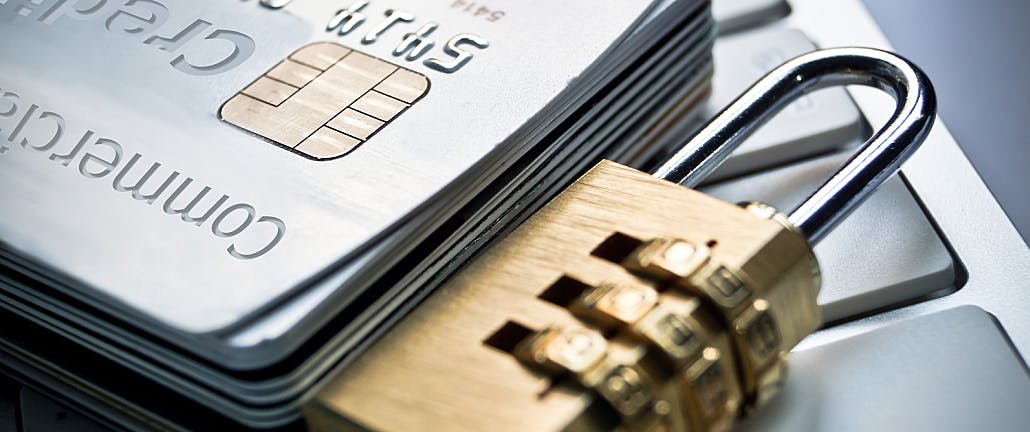
The Australian Competition and Consumer Commission (ACCC) has claimed that reported business scams and cyber crime relating to scams rose by around 30% in 2016, leading to greater concerns about online security and the targeting of businesses.
The Commission’s Scamwatch program had reported the rise in the number of businesses being subjected to fake invoices and payment requests. About 6,000 business-focussed scams were reported, with about 6% of these having paid the requests at an average of about $10,000 per request.
However, the concerning news is the declaration from ACCC deputy chairman Michael Schaper that these figures may only be part of the story of cyber crime in Australia.
“That’s probably just the tip of the iceberg,” he said.
“A lot of small businesses shrug their shoulders and wipe it off [when they have been scammed]. They think it’s too much trouble to report, or it will get back their insurers who will hit them with higher premiums.”
This data, coupled with further work from federal agency the Australian Cybercrime Online Reporting Network (ACORN), estimate the total scam-based losses across Australia to be in the region of $300 million, with Brisbane City Council alone reporting a loss of $450,000 across nine fake invoices it has paid.
Furthermore, the Australian Bureau of Statistics’ Personal Fraud Survey says that the actual cost of these losses to the Australian economy ends up being around a staggering $3 billion.
Dr Schaper said small businesses are most at risk from financial scams and cyber crime, because of the restrictions based on their technology and financial capabilities leaving gaps in their security.
“We know small business are often reluctant to upgrade their systems, it’s expensive and time consuming,” he said.
“However, financial loss and the loss of data can just kill a small business.”
The existence of public contact details online (such as e-mail addresses and contact numbers) for small businesses, as well as often working on the basis of paying individual accounts quickly as a matter of course, make small businesses a prime target for hackers and scammers, the report says.
Work life balance in Australia has become an increasingly important topic as employees and employers rethink traditional work structures. Flexible work arrangements, remote work, and changing[...]
Cybersecurity for Australian businesses has become a major priority as digital threats continue to increase. With more organisations relying on cloud systems, online payments, and remote work[...]

The Australian economic outlook for 2026 reflects a complex mix of opportunities and challenges. Economic growth remains steady compared with many global economies, though inflation, global[...]

Australian property market trends in 2026 continue to attract strong attention from buyers, investors, and policymakers. Housing affordability, population growth, and interest rate movements are[...]