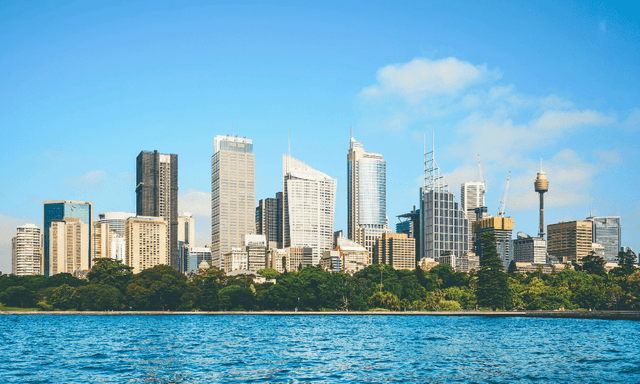
Work Life Balance in Australia Continues to Evolve
Work life balance in Australia has become an increasingly important topic as employees and employers rethink traditional work structures. Flexible work arrangements, remote work, and changing[...]

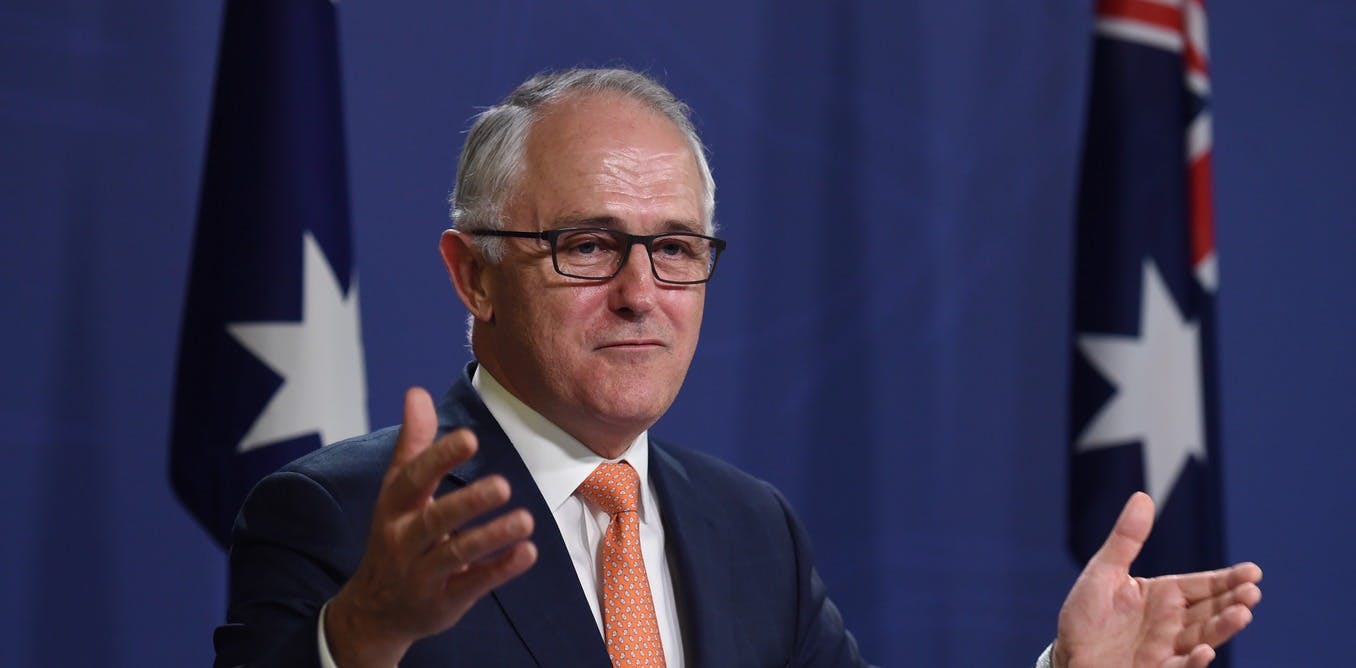
Australia has today reiterated its commitment to the Paris climate change pact agreed in 2016, as concerns grow over the future of the United States in the agreement.
With likelihood increasing that US President Donald Trump will pull the world’s largest carbon emitter out of the agreement that the Obama administration played a large part in crafting, Environment Minister Josh Frydenberg has confirmed that Australia will stick to the plan.
“Australia has commitments and we are sticking to those,” he told an economic think-tank this week.
He also stated that the intensity of US emissions had reached its lowest level in two decades, and that climate change efforts meant things were “moving in the right direction”.
Almost 200 countries have signed the UN-backed proposals and three-quarters of those have since ratified the pact in their domestic parliaments. Only Nicaragua and Syria remain as non-participatory UN nations who have not even signed the deal, with the US to potentially become the third.
Donald Trump’s sceptical campaign rhetoric on climate change made it seem unlikely he would completely co-operate with the full extent of the deal, but making a final decision to abandon the deal would represent the first concrete move made to that effect by his administration.
Shadow treasurer Chris Bowen has echoed the coalition’s wish to commit to the agreement, but has stated a desire to further in honouring it than the current government.
“Not only should we stay in the Paris agreement but we should implement the commitments we give it and Labor’s policies do that. The government just pays it lip service,” he said.
Despite widespread concerns about the imminent US backtrack, experts have speculated that the absence of a non-cooperative administration would not have the predicted negative impact on global climate change efforts. Some say it may even be in the best interests of those committed until an administration in favour of the pact takes office.
Work life balance in Australia has become an increasingly important topic as employees and employers rethink traditional work structures. Flexible work arrangements, remote work, and changing[...]

Cybersecurity for Australian businesses has become a major priority as digital threats continue to increase. With more organisations relying on cloud systems, online payments, and remote work[...]

The Australian economic outlook for 2026 reflects a complex mix of opportunities and challenges. Economic growth remains steady compared with many global economies, though inflation, global[...]

Australian property market trends in 2026 continue to attract strong attention from buyers, investors, and policymakers. Housing affordability, population growth, and interest rate movements are[...]