Work Life Balance in Australia Continues to Evolve
Work life balance in Australia has become an increasingly important topic as employees and employers rethink traditional work structures. Flexible work arrangements, remote work, and changing[...]

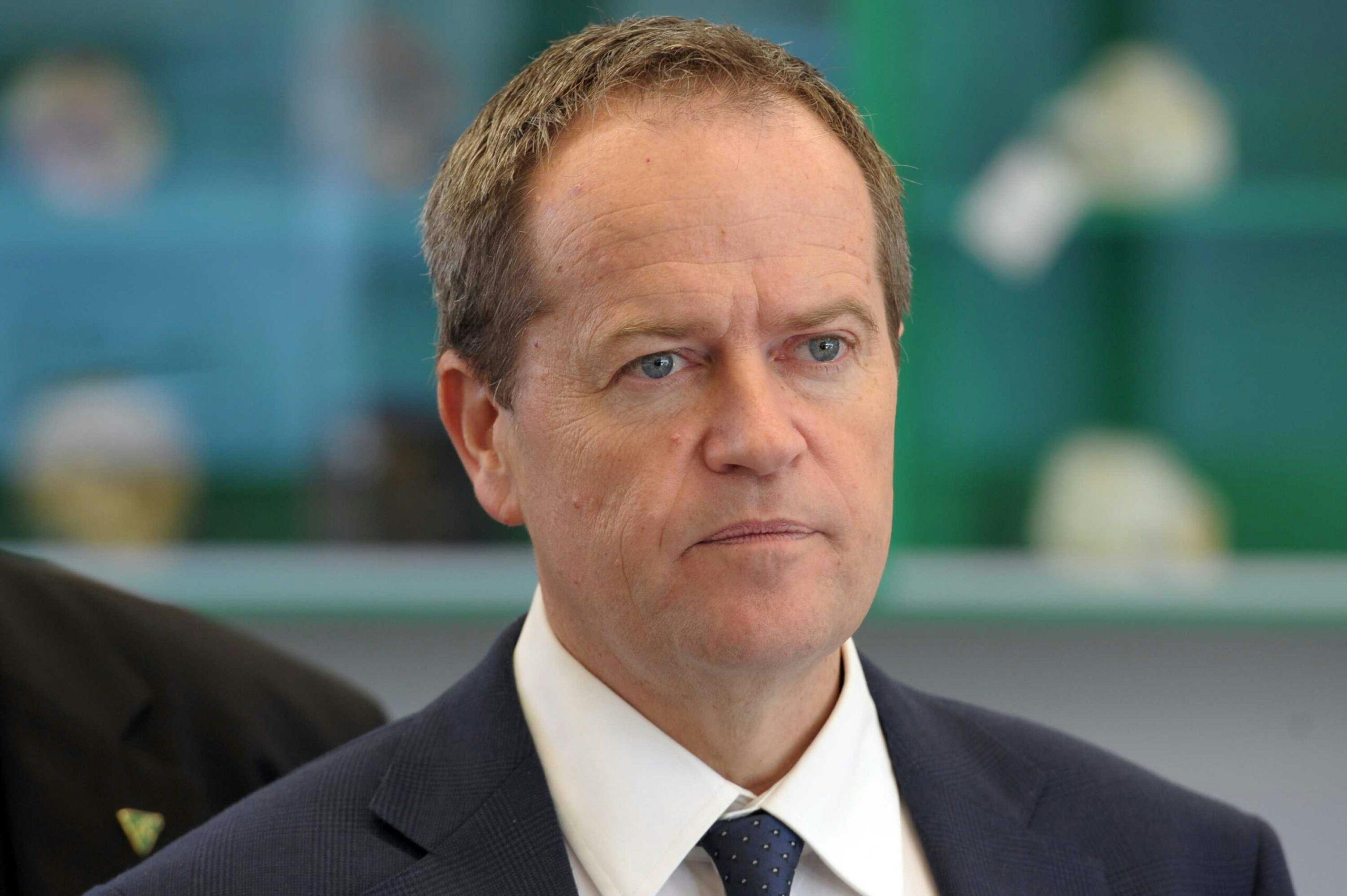
Labor has extended an offer of a co-operative partnership with the Federal Government in order to respond to a major review of energy security and climate change policy.
Chief Scientist Alan Finkel’s review of energy and climate change policy in Australia will be formally presented on Friday, with the report set to encourage a low-emissions target be set in order to encourage clean energy production but while also keeping a technology-neutral approach which can support continued use of gas power stations and coal power.
Opposition Leader Bill Shorten has extended the olive branch to the government in the light of the findings in the report, stating that a bipartisan approach to improving energy policy is the logical way to go.
“After a decade of toxic politics surrounding energy and climate change policy, Australians are looking for both major parties to co-operate on a way forward,” he wrote in a letter to Prime Minister Malcolm Turnbull.
“It’s regrettable that for too long this nation’s energy and climate policy has been hostage to a small handful of climate sceptics in the Liberal Party – while power prices have gone up, pollution has gone up and investment has stalled. Continuing this approach is unsustainable – it risks jobs and Australia’s economic future.”
Energy and climate change are high on the national agenda in Australia now after the tumult surrounding US withdrawal from the Paris Climate Accords, and Australia did reaffirm its commitment to the agenda agreed in Paris last year.
Mr Shorten added that they were prepared to meet the recommendations of the review with open minds about the use of alternative actions, but maintained Labor’s commitment to effective solutions.
“Given energy is the lifeblood of the economy, and investment decisions are taken over 20 and 30 year horizons, we believe it is time to put an end to the ‘climate wars’ that have thwarted sensible energy policy over recent years,” he said.
Work life balance in Australia has become an increasingly important topic as employees and employers rethink traditional work structures. Flexible work arrangements, remote work, and changing[...]

Cybersecurity for Australian businesses has become a major priority as digital threats continue to increase. With more organisations relying on cloud systems, online payments, and remote work[...]

The Australian economic outlook for 2026 reflects a complex mix of opportunities and challenges. Economic growth remains steady compared with many global economies, though inflation, global[...]

Australian property market trends in 2026 continue to attract strong attention from buyers, investors, and policymakers. Housing affordability, population growth, and interest rate movements are[...]