
Work Life Balance in Australia Continues to Evolve
Work life balance in Australia has become an increasingly important topic as employees and employers rethink traditional work structures. Flexible work arrangements, remote work, and changing[...]

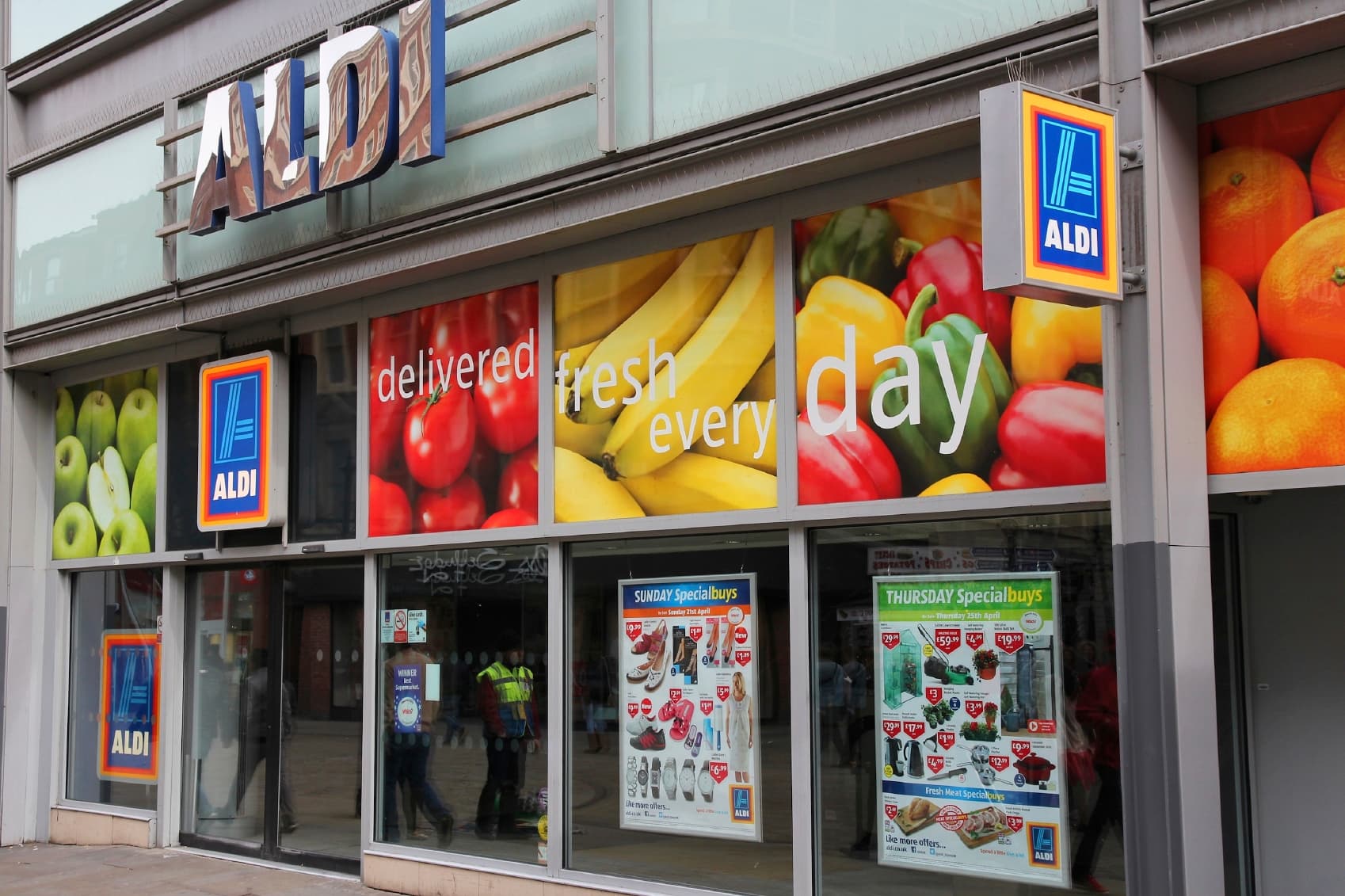
Supermarket chain Aldi is catching up to industry leaders Coles and Woolworths, according to research company Roy Morgan. The German supermarket chain is renowned for its cheap prices and odd brands but it’s also charming the hearts (and winning the wallets) of Australian consumers.
Did a round up of my fave Aldi and Lidl brands. https://t.co/gEVZOJdOa5 pic.twitter.com/uqE6R44jOG
— Flo Perry (@FloPerry) April 16, 2016
Retail analysts at Morgan Stanley have predicted that Aldi could reach $15 billion in sales in just four years. Last year Aldi’s stake of the market rose from 11.6% in March to 12.1% in December, a large leap for such a short time. Meanwhile, Woolworths’ share had declined from 38.5% to 37.3%, showing the cracks in its leading position.

Despite its comparatively small dollar share of the market, Aldi retains roughly half the consumers that Woolworths attracts. Aldi has a 36.8% share of total grocery buyers, which is an average of 5.3 million Australians consumers over four weeks. Roy Morgan research has also shown that the number of Australians shopping at Aldi has risen rapidly and shows no signs of slowing.
This is attributed to Aldi’s cheap prices, as Aldi is approximately 25% cheaper than Coles or Woolworths on similar products. Typical Aldi shoppers spend $100 over four weeks, whereas shoppers at Coles and Woolworths spend upward of $200.
“Australians are prepared to try a different shopping experience when they realise it can provide better value. We are proud to offer shoppers the ALDI difference and drive greater competition as the price leader in the market,” said an Aldi spokeswoman.
Is your grocery budget out of control? How to feed a family of 4 for $101/week: https://t.co/f8hzckmdd1 #aldi pic.twitter.com/YgQDgPzra0
— Clark Howard (@ClarkHoward) April 14, 2016
Source: Roy Morgan
Work life balance in Australia has become an increasingly important topic as employees and employers rethink traditional work structures. Flexible work arrangements, remote work, and changing[...]

Cybersecurity for Australian businesses has become a major priority as digital threats continue to increase. With more organisations relying on cloud systems, online payments, and remote work[...]

The Australian economic outlook for 2026 reflects a complex mix of opportunities and challenges. Economic growth remains steady compared with many global economies, though inflation, global[...]

Australian property market trends in 2026 continue to attract strong attention from buyers, investors, and policymakers. Housing affordability, population growth, and interest rate movements are[...]