Work Life Balance in Australia Continues to Evolve
Work life balance in Australia has become an increasingly important topic as employees and employers rethink traditional work structures. Flexible work arrangements, remote work, and changing[...]

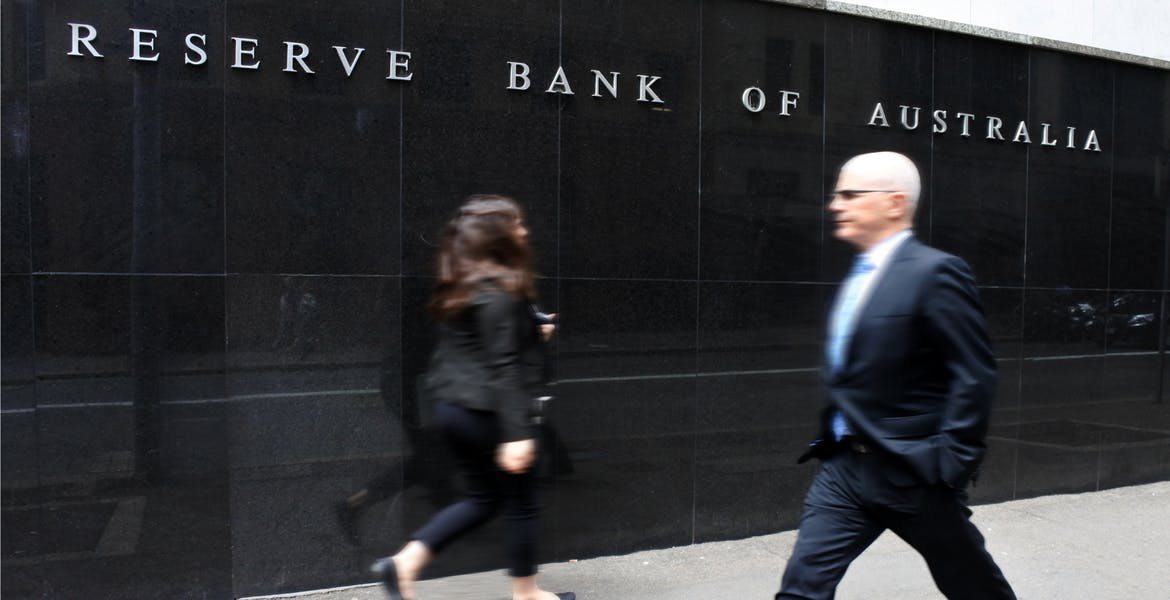
In an unprecedented move, the Reserve Bank has left interest rates at 1.5% for the seventh month in a row. This was the first meeting of 2017 and it has surprised economists that the rates have stayed the same despite concerns about the housing market and the growing economy.
The bank’s governor Philip Lowe has revealed his feelings about the landscape of the Australian economy in a guarded comment.
“We’d like the economy to grow a bit more quickly and we’d like the unemployment rate to come down a bit more quickly than is currently forecast,” Lowe said. “But if we were to try and achieve that through monetary policy, it would encourage people to borrow more money and it probably would put more upward pressure on housing prices and, at the moment, I don’t think either of those two things are really in the national interest.”
Market expectations have predicted a much-delayed rate change for mid 2018. Although the 67 economists surveyed by Reuters were not anticipating a shift, they’re still surprised at the outcome. CoreLogic head of research Tim Lawless said that the Reserve Board had faced a difficult decision.
“They are unwilling to drop rates because this would likely add further fuel to the housing market, yet they don’t want to push rates higher as this will stifle consumption and investment more broadly as well as potentially place some upwards pressure on the Australian dollar,” Lawless said.
The continued rate stability appears to be due to the complexities in the housing market. Although the rate looks stable, the US Federal Reserve are changing their rates. A US rate change would allow the Reserve Bank Australia to raise rates without raising the Australian dollar.
Work life balance in Australia has become an increasingly important topic as employees and employers rethink traditional work structures. Flexible work arrangements, remote work, and changing[...]

Cybersecurity for Australian businesses has become a major priority as digital threats continue to increase. With more organisations relying on cloud systems, online payments, and remote work[...]

The Australian economic outlook for 2026 reflects a complex mix of opportunities and challenges. Economic growth remains steady compared with many global economies, though inflation, global[...]
Australian property market trends in 2026 continue to attract strong attention from buyers, investors, and policymakers. Housing affordability, population growth, and interest rate movements are[...]