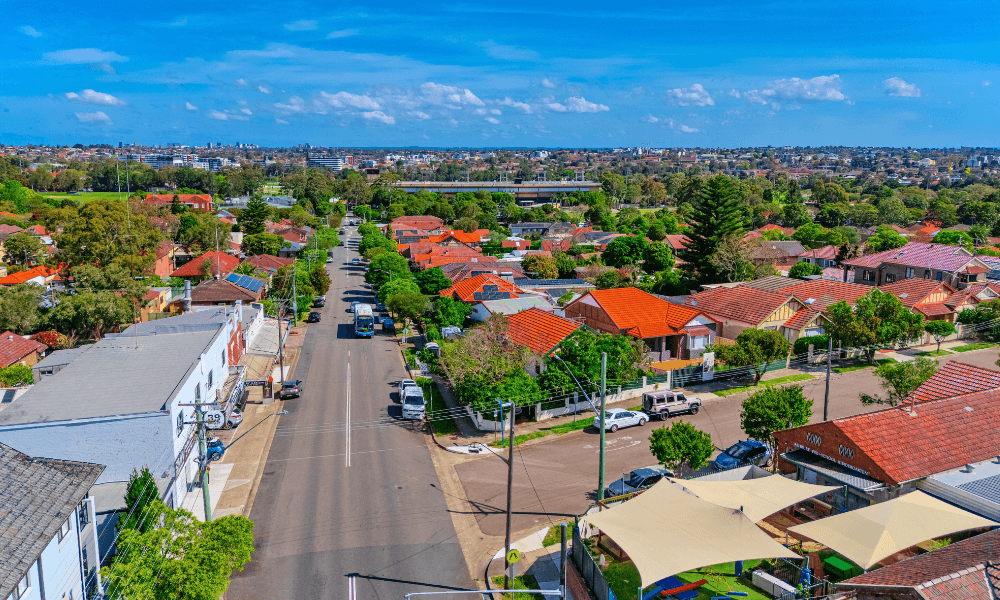
After several years of volatility driven by interest rate increases and economic uncertainty, Australia’s property market stability is emerging. The market is shifting toward a more stable and sustainable phase.
While pandemic era price growth has eased, demand remains strong. This is particularly evident in major cities such as Sydney, Brisbane and Perth. Population growth, housing shortages, and ongoing migration continue to support long term market fundamentals.
One of the key drivers is supply constraints. Australia faces a significant housing shortage, with new construction struggling to keep pace with population growth. Rising construction costs, labour shortages, and planning delays have limited the number of new homes entering the market.
At the same time, interest rates appear to be stabilising, providing greater confidence for buyers, building on broader forecasts outlined in our Australian housing market 2025 outlook. While borrowing costs remain higher than in previous years, the predictability of the rate environment is helping both buyers and investors make more informed decisions.
Investors are also returning to the market, attracted by strong rental yields and continued rental demand. Rental vacancy rates remain low in many regions, supporting income returns for property investors.
Regional markets, which saw significant growth during the pandemic, continue to perform well, particularly in lifestyle focused areas with strong infrastructure and employment opportunities.
Overall, Australia’s property market stability reflects a transition from rapid growth to a more balanced environment. While short term fluctuations are inevitable, long term fundamentals remain strong, supported by population growth, housing demand and economic stability.
Affordability remains a key consideration in this new phase. While prices have stabilised in many areas, buyers are becoming more selective and focused on value. Developers are also adjusting project pipelines in response to construction costs and buyer demand. Government housing initiatives and infrastructure investment are expected to play an important role in supporting supply over the coming years, particularly in growth corridors and outer metropolitan areas.
For buyers and investors, this new phase presents opportunities to enter the market with greater certainty and less volatility.