Business NewsSign up for our newsletter to stay up to date
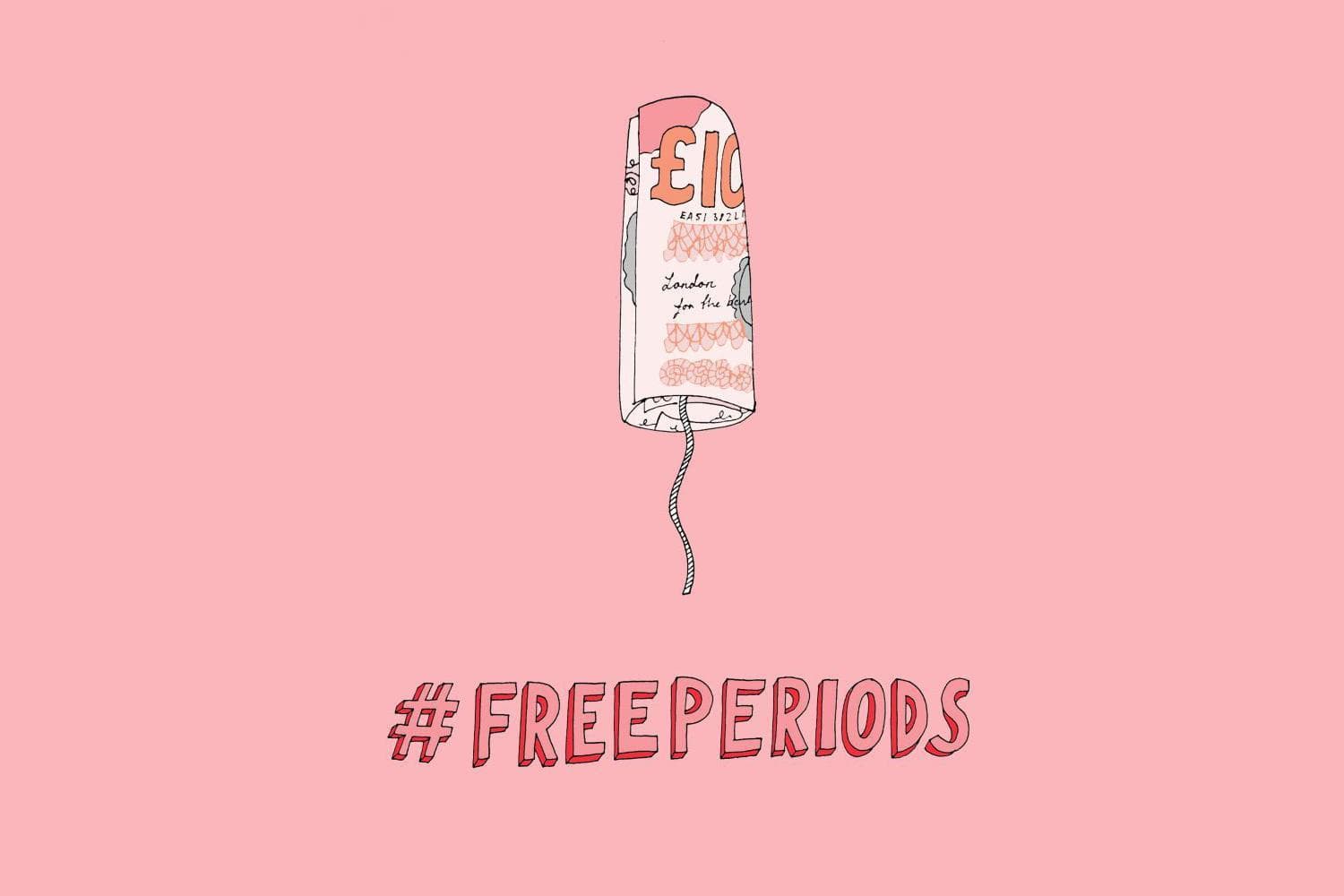
Goodbye Tampon Tax! (Finally)
Today is a good day to be a woman!
Following an 18-year long campaign, Australia’s state and federal Governments have unanimously decided to axe the 10 per cent tax on tampons, pads and other sanitary products.
Treasurers met this morning to discuss the matter and agreed to pass the Federal Government’s proposal. Who would’ve thought the first thing our Government would agree on would be making sanitary products exempt from GST. Go Figure.
The GST on these products has long been described as unfair because products including condoms and Viagra are exempt.
In early August the then treasurer, Scott Morrison, pledged to axe the tax at the next treasurer’s meeting.
Kelly O’Dwyer, as minister for women, said, “millions of women right across the nation will be very thankful for the move.”
The GST that is applied to items used for menstruation (like pads, tampons, liners, menstrual cups, maternity pads and leak-proof underwear) is looking to be removed – meaning that female consumers will no longer have to pay the 10% tax on these ‘luxury’ items (there is NOTHING more luxurious than cramps & bleaching your underwear at the end of each month).
The move will cost the states $30 million a year but the Coalition argues this will be easily covered because they are already receiving more GST revenue than forecast.
The tax is expected to be removed from these products by January 1, 2019