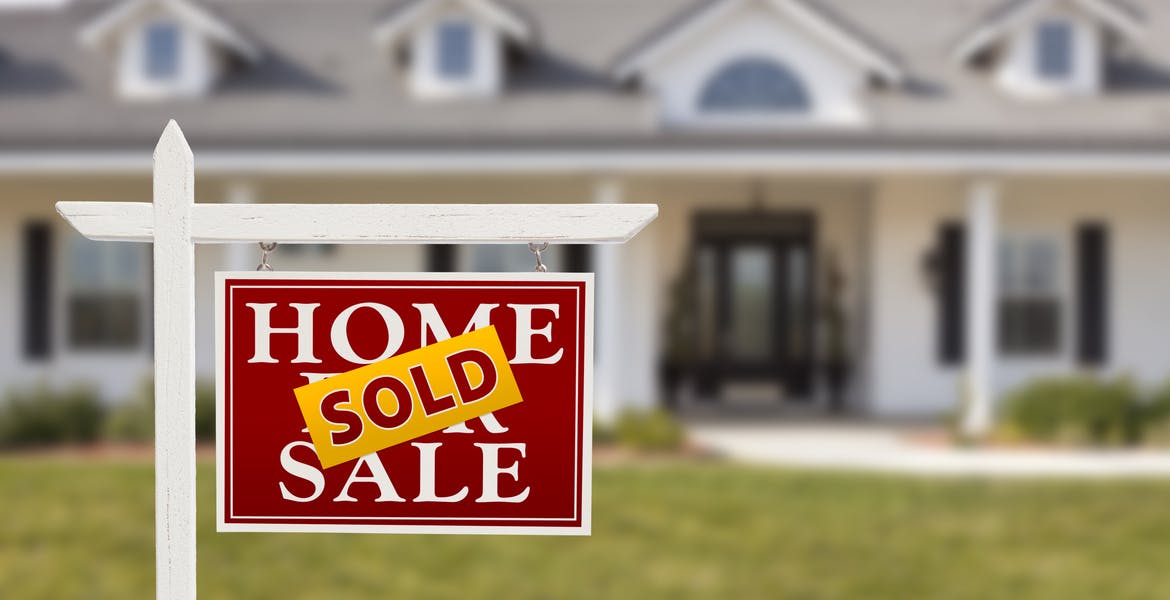
Stamp duty cuts are the plan that the Victorian government is putting into place to make buying a home easier for first time buyers. When first time buyers are going to buy a house, they will not have to pay stamp duty if the price costs less than $600,000. However, Treasurer Scott Morrison says that there’s no point in having the cuts because there aren’t enough houses available.
“Good on them for having a good crack at this,” Treasurer Morrison said. “But at the end of the day, if that just means people bid up more in the auction because they can borrow more because they don’t have to pay stamp duty, well obviously, that will just take prices in one direction. So you can’t do that without addressing the supply issues at the end of the day.”
However, the Victorian premier Daniel Andrews is very excited about the cuts and says that they will increase supply.
“This will send a really strong message to people that if you are effectively banking an empty property and denying that to the market and contributing to the lack of supply, then there’s something you can do about it,” Premier Andrews said.
Premier Andrews believes that the stamp duty cuts are an excellent way of supporting young people in the housing market.
However, as it was pointed out by the opposition member Matthew Guy, there’s not much point in having a cut in stamp duty if there are no houses available.
“Stamp duty is not a factor when there’s not enough houses to purchase,” he said. “This Government has not brought enough supply into the market. And as a consequence, first home buyers are struggling to even find premises within 20km from the CBD.”
Time will tell how this attempt affects the housing market, and whether it has any discernible effect.