Business NewsSign up for our newsletter to stay up to date
Rio Tinto hit with $447 million tax bill
Mining giant Rio Tinto has been hit with a $447 million tax bill by the Australian Tax Office (ATO). The London based company released a statement last night which revealed that they had been hit with the massive expense.
“The Australian Commissioner of Taxation has issued amended income tax assessments to Rio Tinto for the calendar years 2010 to 2013, requiring the company to pay additional tax of AUD$379 million plus interest of AUD$68 million, a total of AUD$447 million,” the statement read.
According to Rio Tinto, the ATO issued the tax bill to rectify the company’s underpriced iron ore sales to their entity in Singapore. This underpricing occurred despite working with the ATO to confirm the pricing arrangements.
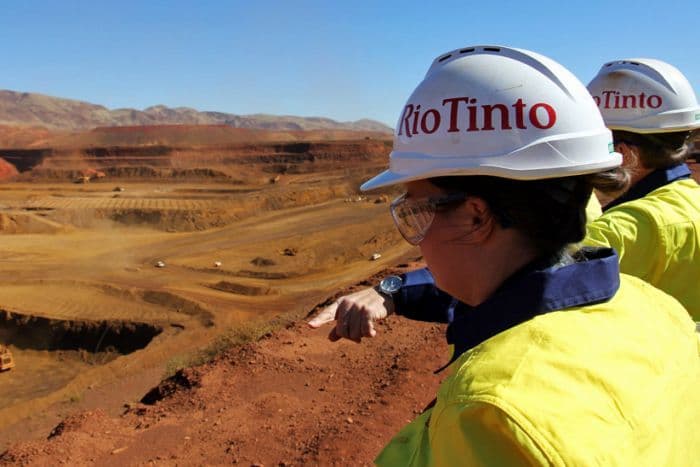
Credit Tom Compagoni/ APP
“The issue in dispute is the pricing of certain transactions between Rio Tinto entities based in Australia and the Group’s commercial centre in Singapore. Rio Tinto voluntarily approached the ATO more than a decade ago seeking to confirm its pricing arrangements. The transfer price in dispute is in line with an outcome agreed by the ATO for years prior to 2010,” the Rio Tinto statement continued.
The company has said that they will challenge the assessment, claiming that they paid the correct tax between 2010 to 2013.
“This payment would be in addition to the AUD$25.5 billion of taxes and royalties Rio Tinto paid in Australia during the same four-year period,” the company said.
Rio Tinto also said in the statement that they considered its pricing to be in accordance with both the Organisation for Economic Co-operation and Development (OECD) guidelines and Australian domestic law. The company will be seeking double taxation relief in accordance with the Australia-Singapore double tax treaty.
Despite planning to challenge the assessment, Rio Tinto is planning to pay half the bill sometime this month.