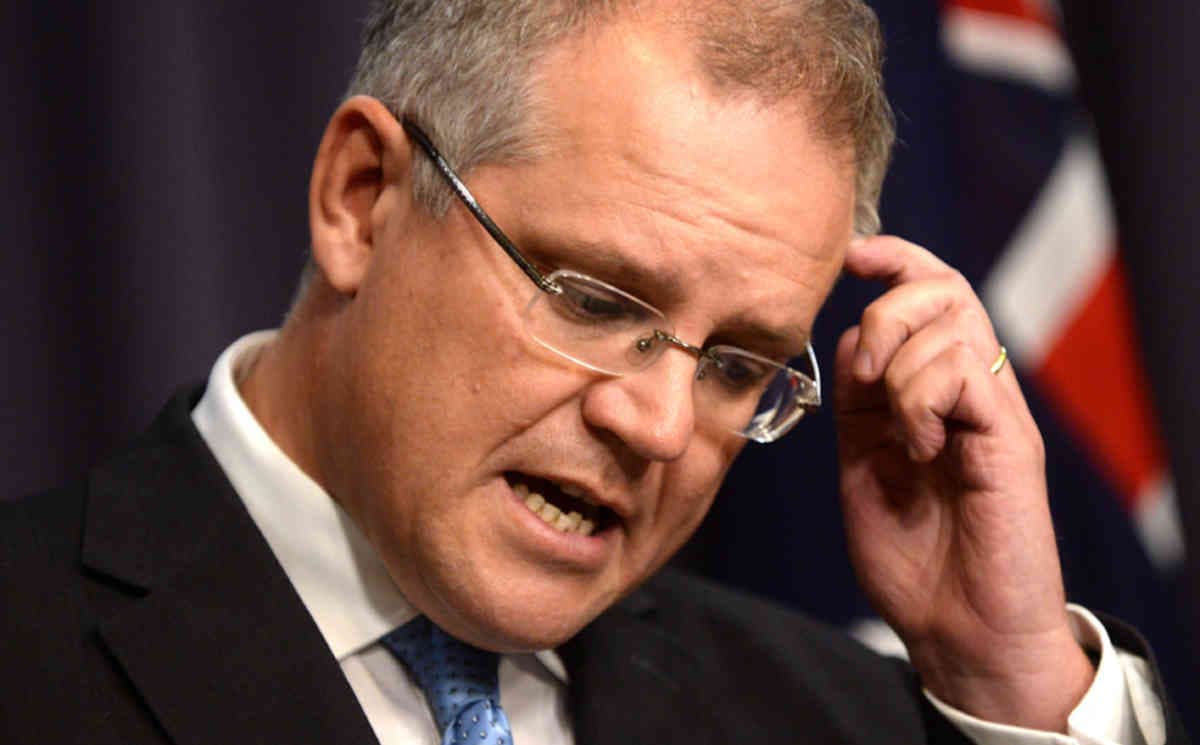
Federal Treasurer Scott Morrison has announced his intention to change the way credit cards work in order to stop Australians running up excessive debt.
In a statement, Mr Morrison announced a raft of changes that would protect Australians from excessive debt, such as greater assessment of repayment ability for card applicants, a ban on unsolicited credit limits increases, easily available methods of reducing credit limits or cancelling cards, and a more transparent and simplified method of interest calculation so that credit card customers can be more aware of their debt levels. The Treasurer aims to introduce the changes by the end of 2017.
“It is vital that we protect these vulnerable Australians from predatory behaviour which seeks to make a quick buck from people’s misfortune, and compound their financial hardship,” said Mr Morrison in his statement.
The treasurer has said that the changes being proposed will make the most difference to lower-income families, who have roughly twice as much credit card debt as a share of income than higher-income customers.
Government estimates state that there are roughly 16.7 million credit cards currently in use, with total debt sitting at $52 billion. Mr Morrison says it is time that Australians were given control over their own debt and took the power from predatory money lenders, while still accepting that the card holders themselves must still exercise their own control over their finances.
“Of course we’re all responsible for the debts we incur. It is also important that we all understand, especially those under financial stress, that credit cards are not free money,” he said.
“For Australians struggling with their credit card debt, I want you to know the Turnbull Government is on your side to protect you from those companies that would seek to take advantage of you.”