Business NewsSign up for our newsletter to stay up to date
Change in the Air: Sydney’s Airport Curfew
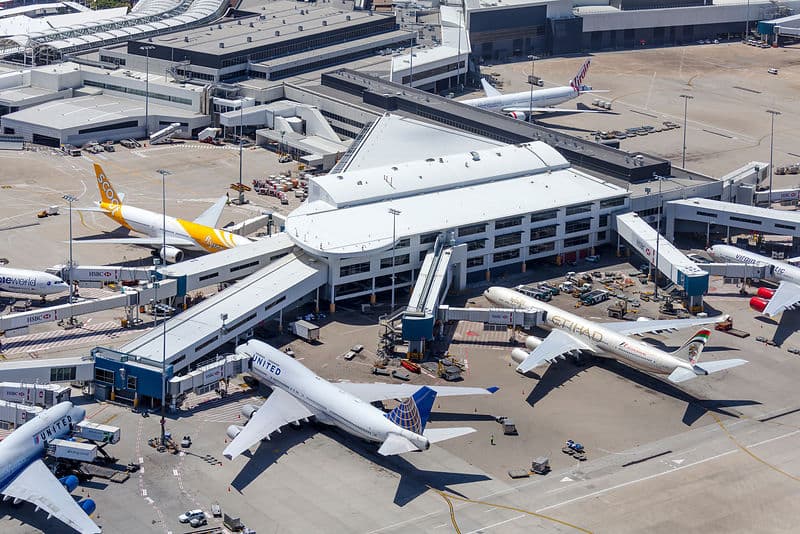
Sydney nights could be getting a lot more noisy if it were up to the Australian Competition and Consumer Commission(ACCC). They argue that the curfew and hourly flight caps should be regularly revised as they should properly reflect the technological advances in reducing aircraft noise.
Changes
The curfew in question is the Sydney Airport Curfew Act, which was passed in 1995 by the Australian Parliament. The Act sought to reduce aircraft noise by limiting the operating hours of the Sydney airport, as there were many complaints coming in.
Next to aircrafts being prevented from taking off or landing between 11 pm and 6 am, Sydney Airport is the only Australian airport with a movement cap; 80 aircraft movements per hour. However, the Act does not stop all aircraft movements in the ‘no-fly period’, but limits movements by restricting the types of aircraft that can operate, the runways they can use and the number of flights allowed.
The ACCC are urging for a review of the curfew and other restrictions, as it has led to increased delays during peak hours, and are likely contributing to congestion chaos.
Their need for compliance seems to be a consequence from the recently released Sydney Airport Master Plan 2039. The plan, that outlines operations and developments of the airport in the next 20 years, predicts that passenger numbers will increase by a whopping 51%, from 43.3 million in 2017 to 65.6 million passengers.
The majority of this big number is made up of international passengers, and are expected to be the main driver of growth at the airport. Because they will be much more valuable to our economy than domestic passengers, the report proposed moving some international flights into domestic terminals to better accommodate these overseas travellers.
Source: Airportlink
The plan also contains measures to ease traffic congestion around the airport, an element one must not forget in such growth. The improvements will include more parking, pedestrian access, and the widening of Qantas Drive that leads to Sydney Airport.
Criticism
While the growing influx of new travellers to Sydney’s airport is a good thing, that can’t be said about the possible lengthening of noise pollution according to local residents and Kevin Hill, from the Sydney Airport Community Forum.
The ACCC argued that the curfew can be shortened due to the airplanes becoming quieter, to which Hill heavily disagrees:
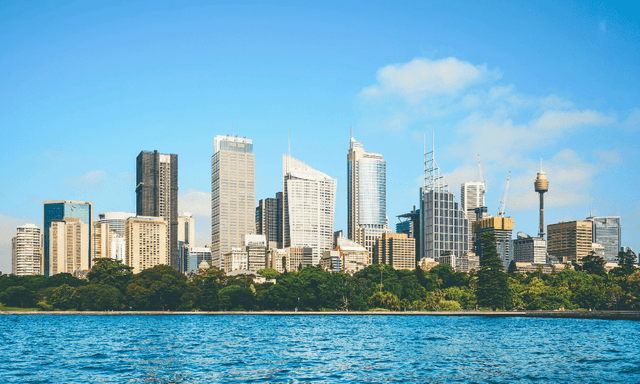
“There’s a point that says yes, aircraft are getting quieter but the point also says aircraft are getting larger and they’re getting more frequent.” (ABC Radio) He believes that the curfew and movement caps are necessary if Sydney’s residents still want to have a good night’s rest. But if Australia’s biggest airport plans to thrive even more, it’s unlikely that the current curfew can still be considered realistic. Sydney’s CBD and residential areas will probably become very rowdy, be it the noise pollution or the heated discussions that will arise.