Work Life Balance in Australia Continues to Evolve
Work life balance in Australia has become an increasingly important topic as employees and employers rethink traditional work structures. Flexible work arrangements, remote work, and changing[...]

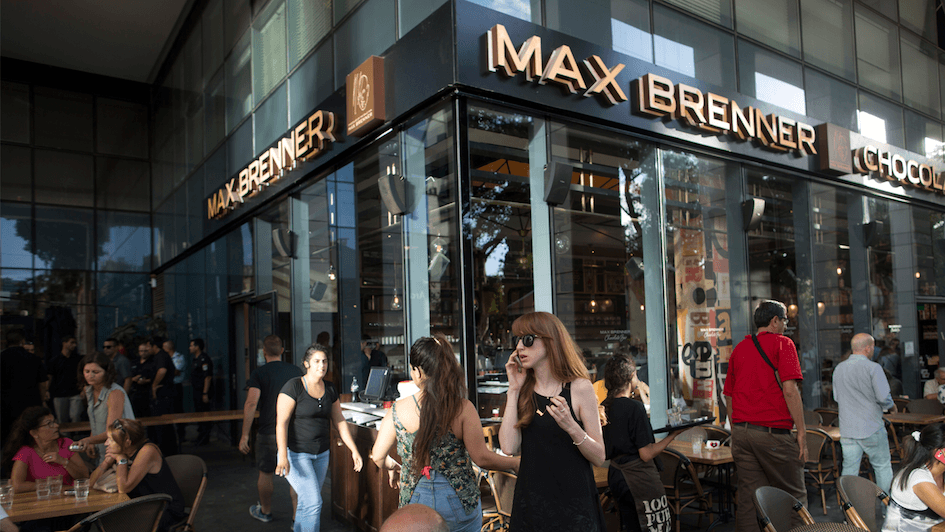
Chocolate cafe chain and luxury chocolaterie Max Brenner went into voluntary administration yesterday morning. The company cited declining sales and rising costs for the downfall.
Talk of closing the stores began as early as August last year, with the Packer family’s Consolidated Press Holdings offering to save the business. At that time, Max Brenner owed approximately $50 million. The administrators said it was too early to tell how much debt the company was in currently.
A statement was released by the brand yesterday, who thanked customers for their loyalty to the chain.
“Chocoholics are respectfully invited to show their support by enjoying a hot chocolate or dessert as the Administrators assess the best solution to ensure Max Brenner Australia’s unique chocolate experience continues to delight millions of Australians in the future,” the statement read.
University of Melbourne professor and business trends expert, Dr Lauren Rosewarne, blames changing food habits in Australia for the downfall of the cafe.
“The rise of social media and our embrace of lining up for pop-up, limited edition food items that we can then Instagram has replaced the notion of dipping into a personal chocolate fountain which feels quite dated now,” Dr Rosewarne told news.com.au.
“The novelty of Max Brenner has largely faded.”
Max Brenner first opened in 1996 and started as a few small shops based in Israel, before spanning over international reaches. It is currently run by Tom and Lilly Haikin, who convinced the original creators to give them the franchise rights to open in Australia. After first being based in Alexandria, NSW, the store became largely popular, and was opened across the country shortly after.

Appointed administrator McGrathNicol said they were weighing up whether to sell the business or attempt to salvage it. The 37 stores across the country will remain open until a decision is made.
Work life balance in Australia has become an increasingly important topic as employees and employers rethink traditional work structures. Flexible work arrangements, remote work, and changing[...]

Cybersecurity for Australian businesses has become a major priority as digital threats continue to increase. With more organisations relying on cloud systems, online payments, and remote work[...]

The Australian economic outlook for 2026 reflects a complex mix of opportunities and challenges. Economic growth remains steady compared with many global economies, though inflation, global[...]

Australian property market trends in 2026 continue to attract strong attention from buyers, investors, and policymakers. Housing affordability, population growth, and interest rate movements are[...]