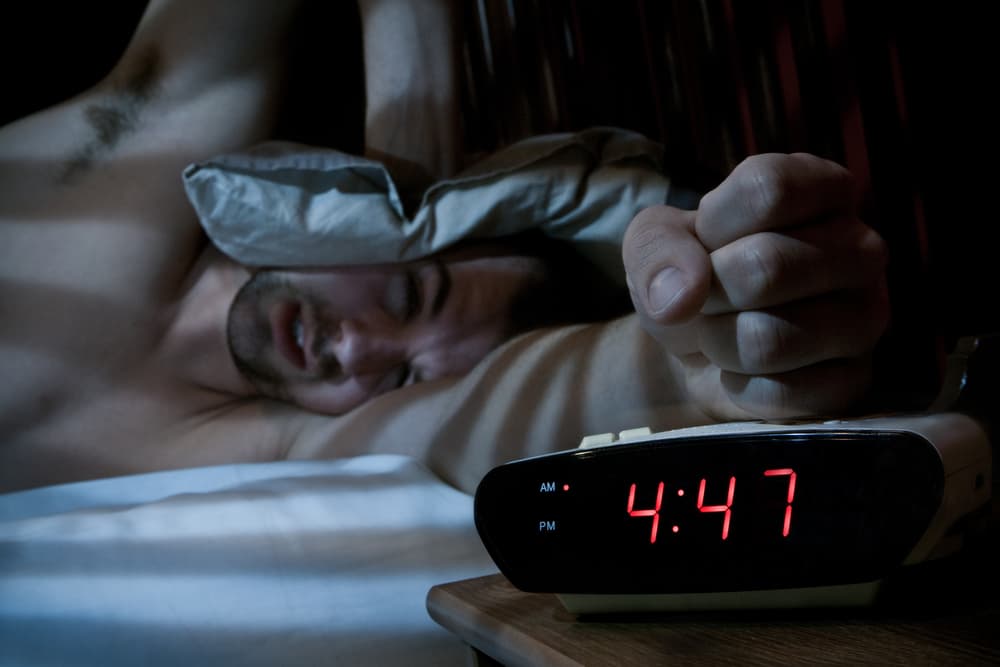
It’s been advised by countless of experts and successful individuals that waking up super early will see you having a more productive day. For example, Michelle Obama wakes up at 4:30am to work out.
But Chris Bailey, the 26-year-old author of The Productivity Project says that waking up early is not necessarily the key to unlocking productivity. In his book he describes his year of experimentation with different productivity strategies, from meditating for 35 hours a week to living in isolation for 10 days.
Along the way, he learned that the biggest myth around productivity is that waking up early will make you more productive.
He discovered this first hand by waking up at 5.30am everyday except weekends and holidays. The habit was met with struggle but he was able to maintain it for a few weeks until he realised that he hated it, and that it wasn’t making him any more productive.
Speaking to Business Insider Australia he said that many people have a “fantasy of being an early riser who wakes up early to go to the gym and meditate. But in practice the idea of that change is so much sexier than what we have to do to actually make that happen.”
As Bailey writes in “The Productivity Project,” when he started waking up at 5:30 a.m., he also tried to go to sleep by 9:30 p.m.
But since Bailey’s a night owl, that meant he often had to stop and get ready for bed right when he had the most energy, focus and creativity.
“I couldn’t stand quitting work when I was ‘in the zone’ late at night,” he writes. “And I discovered I much preferred to meditate, work out, read, and plan out my day later on in the day, when I had more energy and attention to bring to the task.”
Ultimately, Bailey realised he wrote fewer words on average per day and had less energy and focus when he woke up at 5:30 a.m.
On his blog, “A Life of Productivity,” he cites a TED Talk by circadian neuroscientist Russell Foster, in which Foster says there’s no known difference in socioeconomic status between early birds and night owls. In other words, waking up early is not associated with being more successful.
Recent research also supports Bailey’s suggestion that certain people are simply not wired to wake up early. A study of nearly 90,000 people who had their genomes sequenced by 23andMe found that your DNA may help determine whether you’re a morning or an evening person.
Moral of the story, if you like waking up early and notice that you get stuff done, the habit might just be for you, but if you dread the morning and feel no more productive than before, ditch it.
Via Business Insider Australia