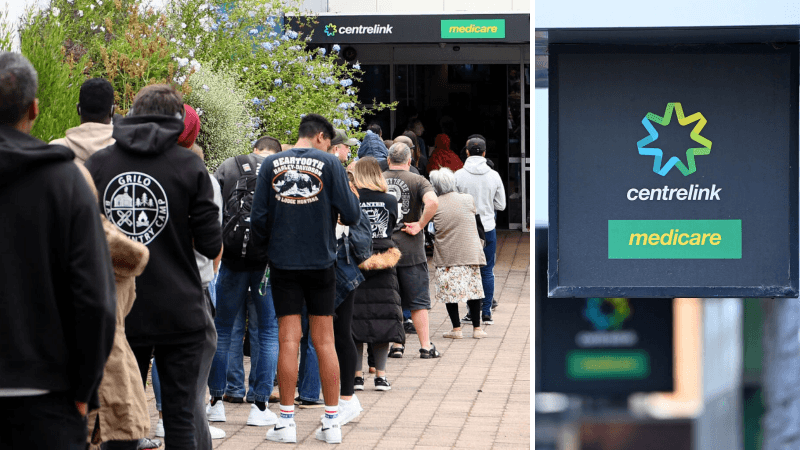
Cuts to the Jobseeker subsidy could result in the loss of 145,000 jobs and a significant delay in economic recovery according to Deloitte.
The Deloitte Access Economics report commissioned by the Australian Council of Social Services (ACOSS) illustrated that the reduction of Jobseeker could cost the Australian economy $31.1 billion over the next two years.
Nicki Hurtley from Deloitte Access Economics commented in a statement that the slashing of the subsidy will result in critical support for low-income earners being taken away, and will make Australia’s overall recovery more difficult.
“Every dollar that the government invests in Jobseeker is generating a significant economic return, helping to pave the road out of recession,” she said.
“If we take it away too soon and too harshly, we will end up adding to the unemployment queue,” Hurtley said.
Hurtley elaborated that if people are unable to work and only receive Jobseeker, then they will only be spending money on essentials, reducing economic recovery by spending less consumables.
From September 28 onwards, Jobseeker is set to reduce to $300 a fortnight, a reduction of more than half from the $650 a fortnight set during the first wave of the subsidy.
By the end of the year, the subsidy will be removed and people on Jobseeker will start receiving payments of $40 a day, the previous Newstart rate.
Amidst the COVID-19 pandemic, there have been calls to permanently increase the Jobseeker (former Newstart) payment amounts.
ACOSS CEO Dr Cassandra Goldie is urging the federal government to extend the $650 Jobkeeper rate based on the report’s findings.
“The doubling of Newstart at the start of the pandemic came as a huge relief. After 26 years without a real increase to Newstart, people without paid work were finally able to afford the basics,” she said.
“But they now face a deeply uncertain future, with the prospect of these devastating cuts to their already tight budgets,” she continued.
Meanwhile, over the last few months, some Coalition MPs have been arguing that the increased Jobseeker subsidies have created an incentive not to work for some people.
The federal government has not indicated that it will make any changes to the Jobseeker rate in the long term.
What do you think about the Jobseeker cuts? Let us know in the comments.