
Work Life Balance in Australia Continues to Evolve
Work life balance in Australia has become an increasingly important topic as employees and employers rethink traditional work structures. Flexible work arrangements, remote work, and changing[...]

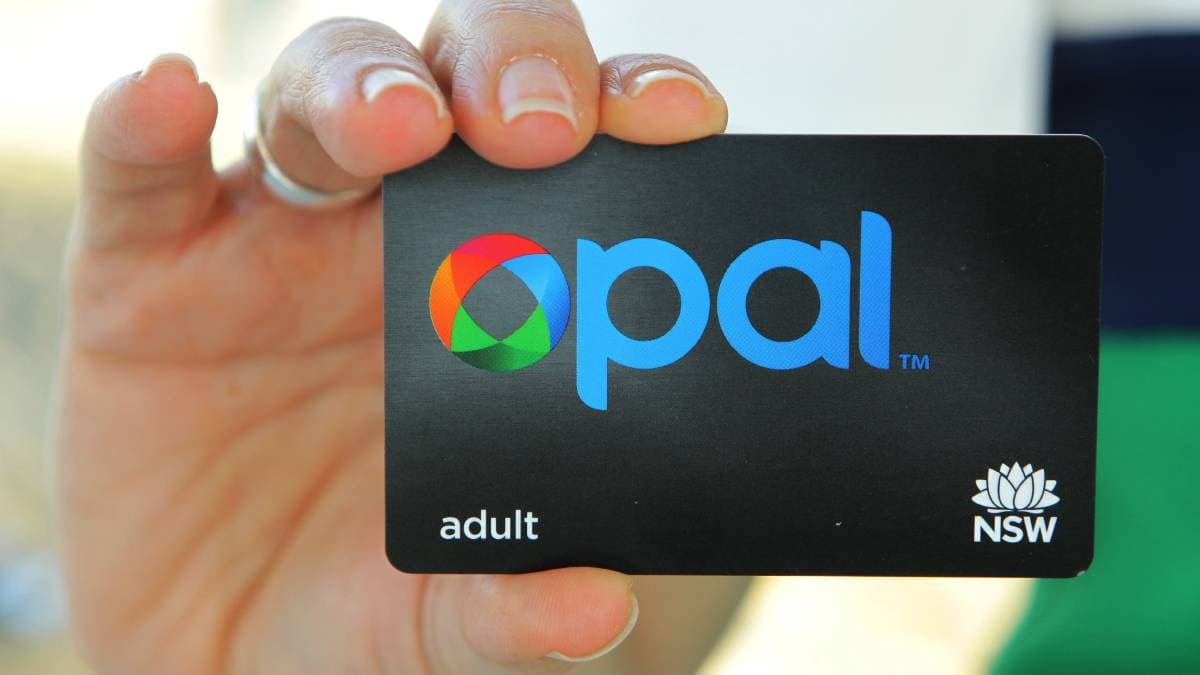
The NSW government has confirmed that the Opal card benefit of free travel after eight trips a week is about to become defunct. The widely commended benefit has been discarded after the Independent Pricing and Regulatory Tribunal recommended that the loophole be closed.
The Tribunal found that the government was losing $300 million in transport revenue. It estimated that the revenue being generated by transport covered approximately 20% of the costs.
The NSW MP for the Greens and Transport spokesperson Dr Mehreen Faruqi condemned the move to abolish the free travel perk.
“This is an incredibly shortsighted move from the government. People who are dependent on public transport rely on this rule for transport affordability,” said Dr Faruqi.

However, Transport Minister Andrew Constance has said that approximately 70% of commuters were not receiving the benefits. Instead of free transport after eight journeys, the journeys will be half price. There will also be extra benefits for commuters who change modes of transport, who will receive a $2 discount on paying twice.
Despite the change, the Minister has assured commuters that the transport fees will remain unchanged until at least the end of the 2016/2017 financial year. The adult Opal card will be capped at $15 a day and $60 a week. The changes will come into effect on the 5th of September this year.

Work life balance in Australia has become an increasingly important topic as employees and employers rethink traditional work structures. Flexible work arrangements, remote work, and changing[...]

Cybersecurity for Australian businesses has become a major priority as digital threats continue to increase. With more organisations relying on cloud systems, online payments, and remote work[...]

The Australian economic outlook for 2026 reflects a complex mix of opportunities and challenges. Economic growth remains steady compared with many global economies, though inflation, global[...]

Australian property market trends in 2026 continue to attract strong attention from buyers, investors, and policymakers. Housing affordability, population growth, and interest rate movements are[...]