Business NewsSign up for our newsletter to stay up to date
Who are the real winners? Olympics by the dollars.
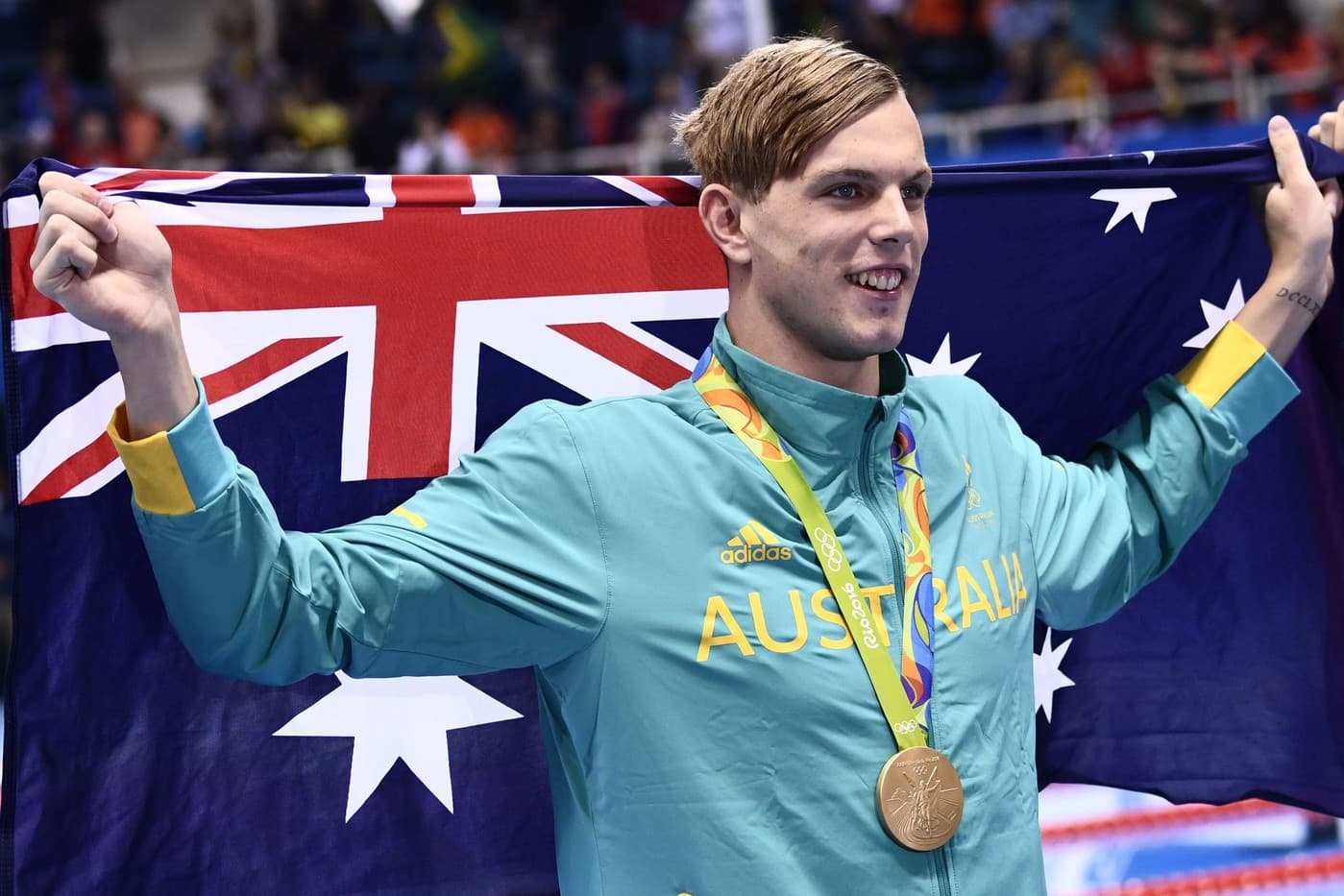
While it is every Olympic athlete’s dream to win gold, attached to that dream is also the paycheck that comes with it. Australia is extremely passionate in showing our support to our athletes however compared to other countries we struggle to convert this pride into dollars for our athletes.
Australian gold medal winners receive around $20,000 for bringing home the gold, which when compared to the United Kingdom’s pay check of zero, isn’t too bad. But tell this to 21 year old swimmer Joseph Schooling who’s gold medal earned him a priceless win against Michael Phelps and a fat pay check of a little over $980 000. That’s right, Singaporean athletes get paid 1 million Singapore dollars for winning gold followed by $492,000 (AUD) and $245, 000 (AUD) for winning silver and bronze respectively.
Ladder leader USA gives each gold medalist $30, 000 which is understandable given they have around 40 athletes to pay up to however this is in comparison to Indonesia who will give their sole gold medalist almost $500, 000 (AUD).
Australia is not the only country who falls behind Singapore (listed below).
Indonesia $500, 000
Azerbaijan $333, 000
Kazakhstan $300, 000
Italy $242, 000
France $86, 000
Russia $80, 000
South Africa $47, 000
USA $33, 000
Germany $26, 000
Canada $20, 000
Australia $20, 000
Papua New Guinea $8, 400
Trinidad & Tobago $1000-$4000
UK, Norway, Sweden, Croatia – No bonuses
Credit: Fox Sports
Cash bonuses serve as a good incentive for those amateur athletes, who struggle to get big sponsorship and endorsement deals in comparison to their swimming and basketball counterparts. However according to Australian swimmer Geoff Huegill,
“a cash bonus for a medal is great and always appreciated by athletes but it’s not the sole focus, rather a nice way to be acknowledged for the efforts you have put into your chosen discipline”.
Maybe this is the philosophy behind as to why Britain’s athletes have done so well on the world stage.
Credit: Getty Images
Medal bonuses aren’t the only financial controversy surrounding the Olympics this year, with the Australian team not doing as well as expected, there are talks into looking into the cost of training and sending our athletes to the Olympics. This has emerged in the light of the ABC coming out with the figure that the 29 medals which Australia won came at the cost of $11, 434, 910 per medal.