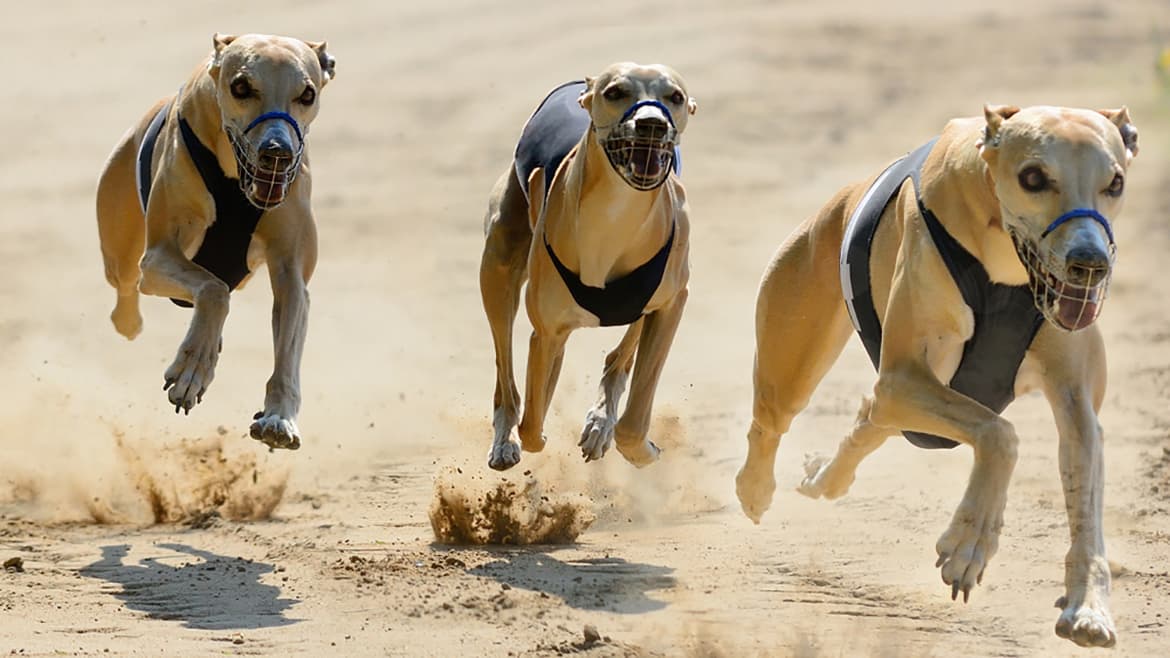
Since announcing a complete ban on greyhound racing effective from July 2017, NSW Premier Mike Baird has faced intense pressure from the opposition and the Australian public over the proposal. And in this mornings two-hour-long cabinet meeting, it has been confirmed that the controversial ban is going to be reversed.
The ministers are now looking to introduce policies which will mean fewer races, fewer tracks and a suite of tougher animal welfare measures. This means that there will be a greater emphasis on animal welfare and dealing with cruelty through more funding for RSPCA and other groups. The job of drawing up this new governance and regulatory structure will be tasked to a new oversight body including representatives from the RSPCA, Greyhound Breeders, Owners and Trainers Association and other eminent individuals.
The ban which was announced after a Special Commission Inquiry into the greyhound industry had left the politician in a disapproving state of doing what he believes is right versus doing what is right for the the industry and its workers . The report found that up to 68, 000 “uncompetitive” greyhounds were slaughtered in the past 12 years and nearly one in five trainers used live animal baits.
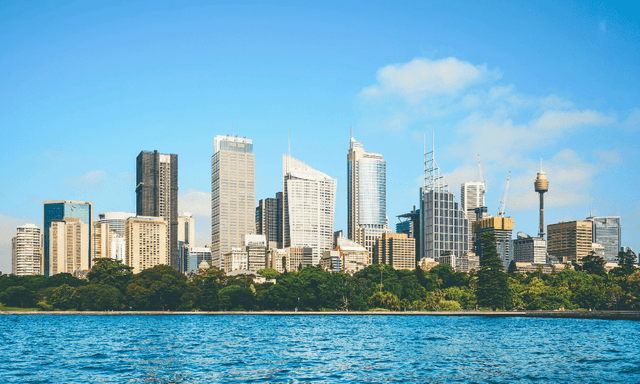
However plenty of innocent trainers who have never abused animals were accusing the ban of being a way to ploy to allow for a commercial redevelopment of Wentworth Park, which is the state’s premier racing track. And that the realistic banning of the industry will cause more harm than good with job losses, the euthanization of a number of dogs and an inability to change the core culture of animal cruelty.
Baird’s approval rating has slumped from 61% to 39% since December due to a number of issues, including Sydney’s lockout laws and with the upcoming regional seat election, the decision to reverse the racing ban has not been a surprising one.