
Work Life Balance in Australia Continues to Evolve
Work life balance in Australia has become an increasingly important topic as employees and employers rethink traditional work structures. Flexible work arrangements, remote work, and changing[...]

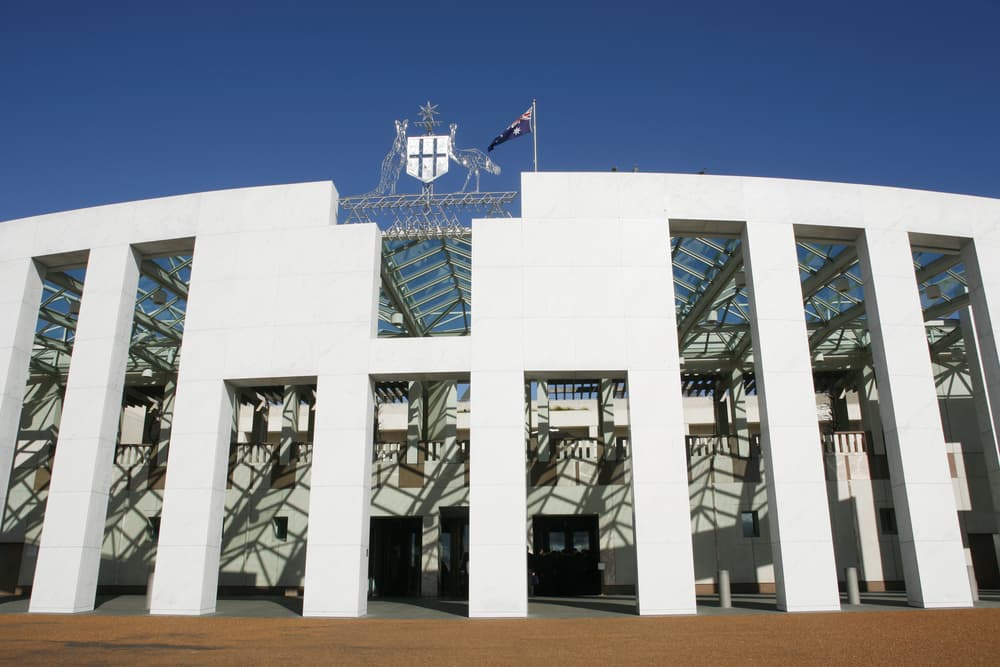
The Senate has defeated proposed changes to the language of Section 18C of the Racial Discrimination Act in a late-night session.
The Government’s proposal had been to alter the language constituting what could be considered an race-based offence, replacing the uses of the words “insult”, “offend” and “humiliate” with the term “harass”.
The move has been described as “filibustering” by Labor, who accused the government of softening its stance on racial discrimination while trying to cut a deal on cutting taxes for big businesses.
“Let’s just be clear what’s going on here – the Government is filibustering on its own law about watering down race hate laws so that it can cut a deal on giving big business tax cuts,” said Labor Senator Sam Dastyari to the session last night. “It’s 11.30pm – you still don’t have a deal.”
The proposed business tax cuts had been the other item on the agenda for the extended Senate session called by the Federal Government, but the issue was never discussed, as the session was ended just after midnight.
The proposals to Section 18C have been described as a softening of racial discrimination laws, yet Prime Minister Malcolm Turnbull has vehemently denied this accusation.
“We are strengthening the race hate laws. These are stronger laws, more effective laws, because they are clearer laws,” the Prime Minister said last week.
Shadow Attorney-General Mark Dreyfus described the Prime Minister’s defence of the changes “simply nonsense”.
After the debate last night, Shadow Minister for Citizenship and Multicultural Australia Tony Burke echoed Dreyfus’ sentiment by pronouncing the debate “a big win for modern multicultural Australia”.
“For those people who thought allowing more forms of hate speech was a good idea, the Australian Parliament has said no to them,” Burke said.
Work life balance in Australia has become an increasingly important topic as employees and employers rethink traditional work structures. Flexible work arrangements, remote work, and changing[...]

Cybersecurity for Australian businesses has become a major priority as digital threats continue to increase. With more organisations relying on cloud systems, online payments, and remote work[...]

The Australian economic outlook for 2026 reflects a complex mix of opportunities and challenges. Economic growth remains steady compared with many global economies, though inflation, global[...]

Australian property market trends in 2026 continue to attract strong attention from buyers, investors, and policymakers. Housing affordability, population growth, and interest rate movements are[...]