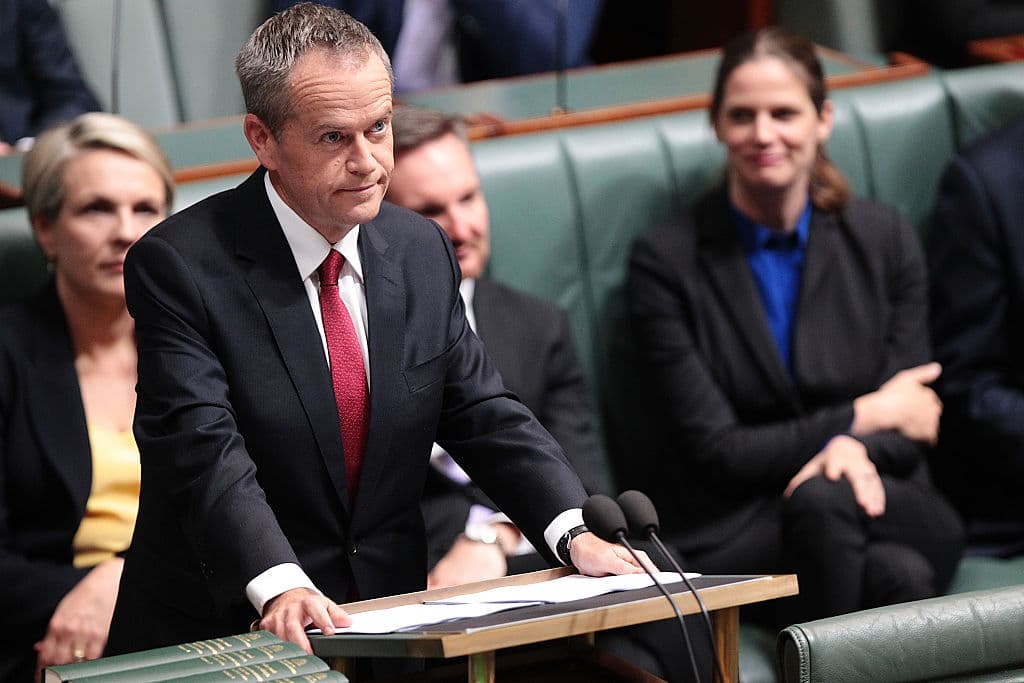
Opposition leader Bill Shorten has recently provided a rebuttal against Turnbull’s proposed 2016 budget as announced this week. Shorten did not hold back in his criticisms of the current prime minister, claiming that the PM’s budget caters only to the top few or, as Shorten puts it, “Malcolm’s Millionares”. According to Shorten, this budget prioritises big businesses over the ordinary working classes, in contrast to Labor’s dedication to putting the people first.
Shorten claims that he will not enact retrospective changes, but will focus on making the tax system a fair situation for everyone and first and foremost maintaining the integrity of the government in regards to budget changes. This comes in reference to the superannuation tax changes proposed by Turnbull’s government, as Shorten is positioning himself to only change the taxes on these future accounts rather than reflectively implementing changes.
In terms of the deficit levy, Labor revealed that they would be maintaining it as it would add $16 billion dollars to the economy over 10 years. This levy involved increasing tax paid by workers earning more than $180,000 by 2%.
Shorten further supports cutting company tax for those with revenue up to $2 million, but proposes no changes to taxes paid by larger businesses.
The opposition named his priorities for the budget and upcoming election, citing “jobs, education, Medicare, climate change, affordable housing and fair taxation, equality for women, our belief in young Australians,” as the most important aspects of Australian governmental intervention.