Work Life Balance in Australia Continues to Evolve
Work life balance in Australia has become an increasingly important topic as employees and employers rethink traditional work structures. Flexible work arrangements, remote work, and changing[...]

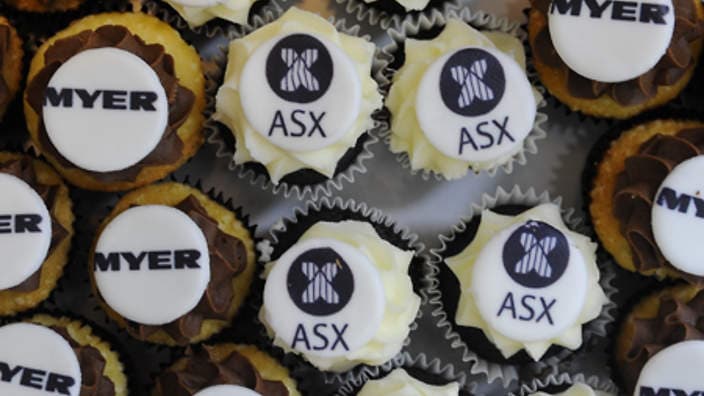
Premier Investments has been announced as the largest stakeholder for the retail giant Myer. In a statement to the ASX, Premier Investments confirmed that it has bought a 10% stake in the retailer, after much speculation over who had bought the shares.
“Premier Investments Limited has made a strategic investment of 10.77% in Myer Holdings Limited,” the statement read.
They also denied claims that buying the shares was part of a bid on the company.
“Premier Investments Limited advises that it does not currently intend to make a takeover offer for Myer Holdings Limited,” the statement continued.
Speculation of a takeover began on Monday when over 80 million Myer shares were snapped up for $100 million. This caused the share price to sky rocket by 18% to $1.26, which was a one-month high.
In a statement, Myer denied knowing who had been responsible for buying the shares.
“Myer Holdings Limited notes yesterday’s high turnover of shares and media speculation surrounding potential corporate activity involving the company. Myer has not received any communication in relation to yesterday’s trading or any corporate activity,” the statement read.
Billionaire businessman and chairman of Premier Investments, Solomon Lew, is believed to be the one behind the decision.

Lew, who has a 42% stake in Premier Investments, is believed to have made the move to stop a takeover. He has made similar moves in the past. In 2014, he bought a large stake in David Jones, just after Woolworths announced was seeking a takeover. Woolworths was forced to pay Lew over $200 million to ensure he approved the takeover. Lew has been a major shareholder in Myer in the past, until he was removed from the board in late 2002.
Work life balance in Australia has become an increasingly important topic as employees and employers rethink traditional work structures. Flexible work arrangements, remote work, and changing[...]

Cybersecurity for Australian businesses has become a major priority as digital threats continue to increase. With more organisations relying on cloud systems, online payments, and remote work[...]

The Australian economic outlook for 2026 reflects a complex mix of opportunities and challenges. Economic growth remains steady compared with many global economies, though inflation, global[...]

Australian property market trends in 2026 continue to attract strong attention from buyers, investors, and policymakers. Housing affordability, population growth, and interest rate movements are[...]