
Work Life Balance in Australia Continues to Evolve
Work life balance in Australia has become an increasingly important topic as employees and employers rethink traditional work structures. Flexible work arrangements, remote work, and changing[...]

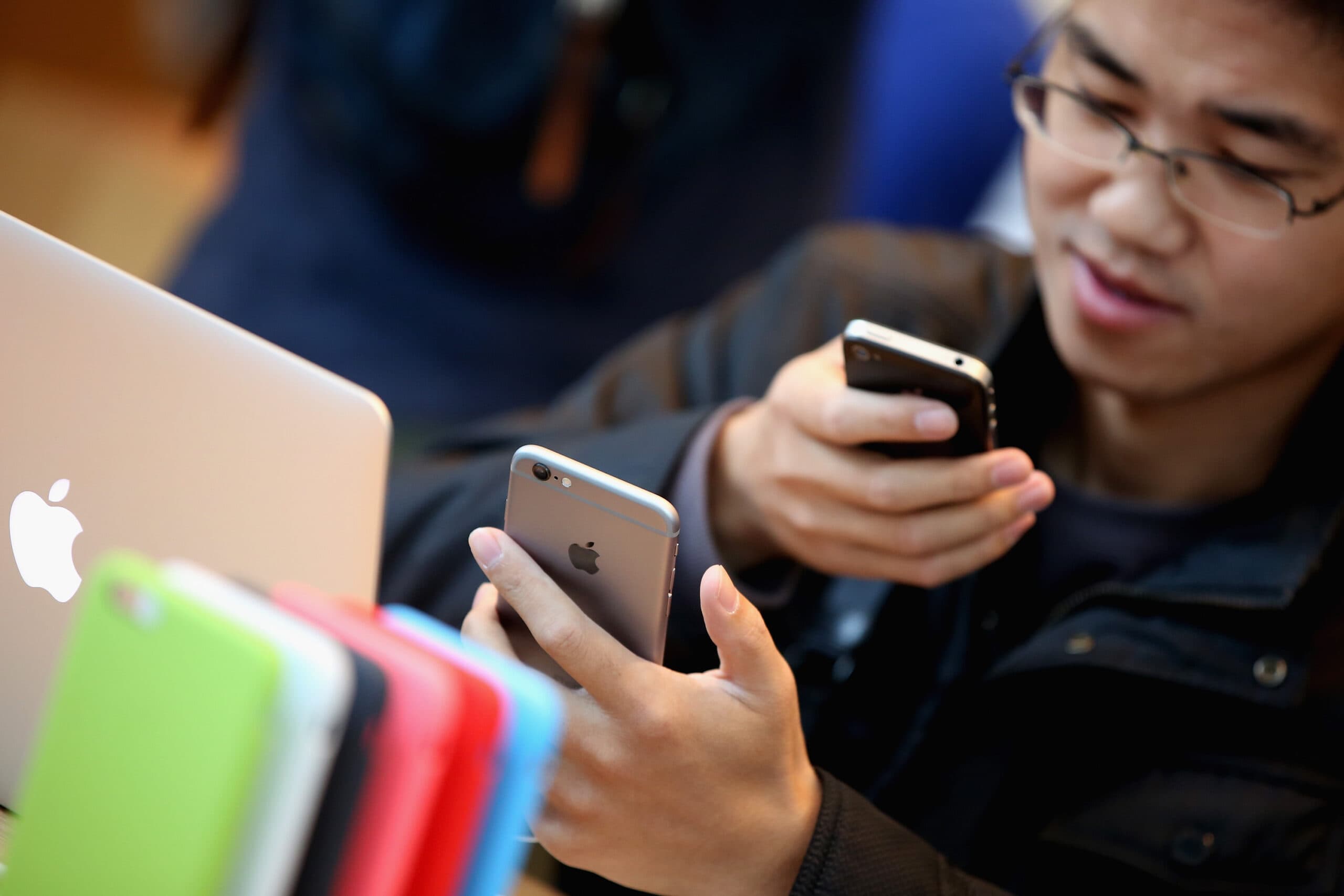
It seems Apple has lost popularity with China, once its biggest overseas market and growth engine. They suffered a 12% drop from 2015 according to Counterpoint Research. Apple lost its wind of confidence after the launch of the cheaper iPhone SE which was meant to boost Apple’s popularity, suffering commercial, legal and regulatory setbacks. Instead it did the exact opposite as both Taiwan and Hong Kong noted a significant drop of 26 per cent. This also cascaded into a range of other Apple products including sales of Mac computers; which declined 12 percent to 4.03 million units, less than estimates of 4.6 million.
Huawei, Vivo, Oppo and Xiaomi take the cake as the top four smartphone makers. They have a combined market share of 53 per cent. Sitting pretty at the top however is Huawei which has continued to rise as the number one most popular smartphone device; increasing their lead at 17.3 per cent.
Factors like a slowing domestic economy and local vendors could be to blame for the drop, however, Apple has been trying to bolster its services business. The iCloud storage platform, Apple Music and the App Store are clever products that generally commit customers to subscription services. These create recurring revenue stream for months or years.
With this significant drop in iPhone sales, many Apple investors are asking what might fuel the company’s next growth spurt. A number of possibilities have surfaced: virtual reality gear, a self-driving car or a live television service but all of these ‘possible ideas’ are tightly under wraps.
There have been lawsuits that have gone down when Apple was forced to shut down both iTunes Movies and iBooks in April, just half a year after they were permitted. This related to a trademark dispute, the use of ‘IPHONE’ on leather goods. There is heavy regulation already as we know in China and this has been further purported by the Cyberspace Administration of China just a week ago who said “App stores must ensure the commercial viability of developers who in turn must monitor customer usage” (SMH, 2016).
Work life balance in Australia has become an increasingly important topic as employees and employers rethink traditional work structures. Flexible work arrangements, remote work, and changing[...]

Cybersecurity for Australian businesses has become a major priority as digital threats continue to increase. With more organisations relying on cloud systems, online payments, and remote work[...]

The Australian economic outlook for 2026 reflects a complex mix of opportunities and challenges. Economic growth remains steady compared with many global economies, though inflation, global[...]

Australian property market trends in 2026 continue to attract strong attention from buyers, investors, and policymakers. Housing affordability, population growth, and interest rate movements are[...]