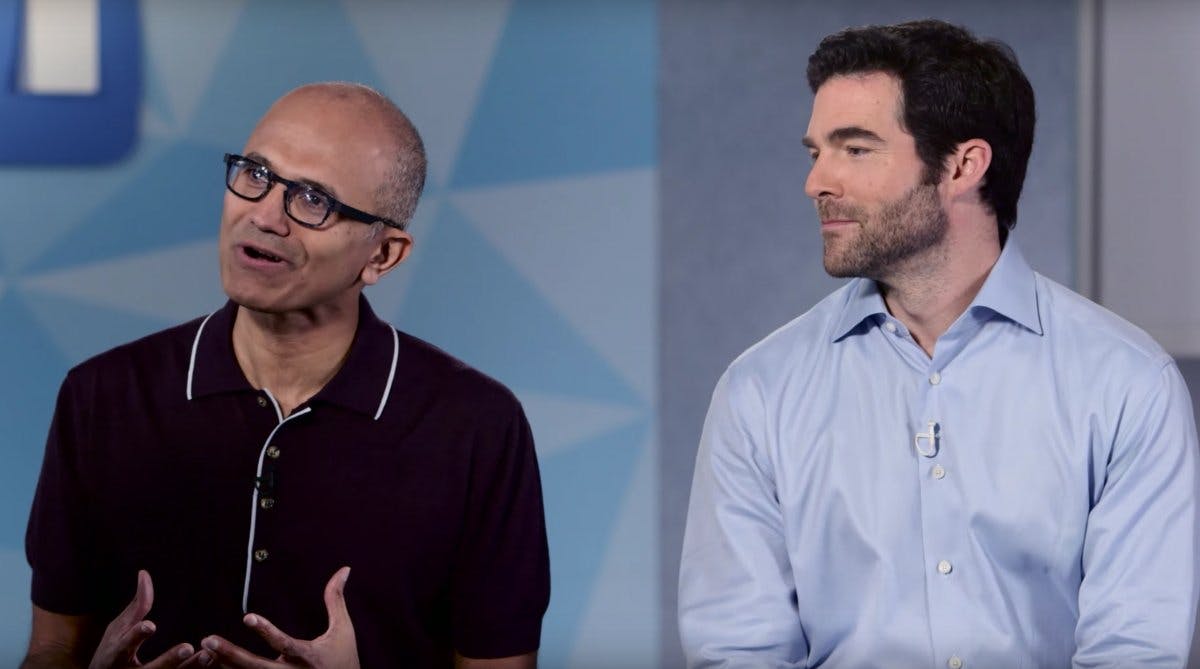
Announced on Monday morning to the team at LinkedIn, Microsoft Corporations has bought the professional social network service for $US26.2 billion. The deal is set to be finalised by the end of this year.
CEO of Microsoft, Satya Nadella, talked to Business Insider about the deal and discussed some of the reasons why it was placed on the table. When looking for an asset, he says he always asks whether it will improve engagement for users, expand the market and be different from the other assets they have purchased. Nadella’s decision came from the expansion of their corporation to build professional ties with individuals.
Shares have jumped up 46% for LinkedIn with the new Microsoft purchase, whilst new owners, Microsoft’s shares have fallen 4% since their market reopened this week.
https://www.youtube.com/watch?v=-89PWn0QaaY
Their main aim is to link Office 365 with the LinkedIn service so collaboration on projects is readily available and easier to use. It will also have the ability to sense the kind of project you are working on and surface relevant articles to your feed, so you can stay in the loop.
Nadella also mentions the brand will remain independent as “they do not want a repeat from the Nokia/Microsoft disaster in 2013”. Jeff Weiner will remain the CEO of LinkedIn, however Nadella still needs to find a correct job title for him.
Employees of Microsoft received an email on Monday morning explaining the good news for the corporation. The email was published on their news page.