Work life balance trends continue shaping how people approach careers, personal wellbeing and daily routines. As flexible work arrangements become more common across different industries, many employees are reassessing how they divide time between work responsibilities and personal life.
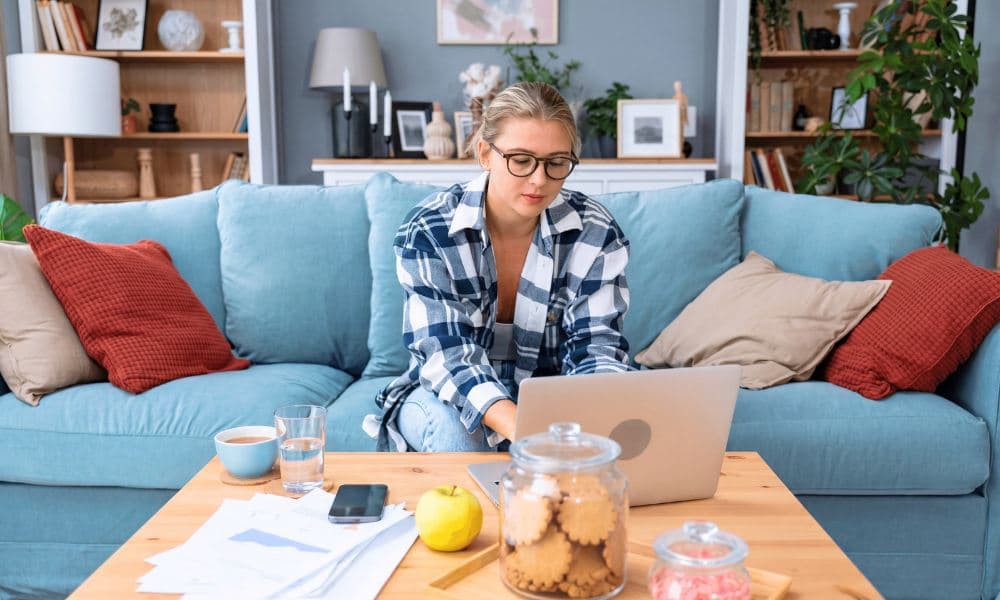
Remote and hybrid work setups have significantly changed everyday routines over recent years. Many workers now spend less time commuting and more time managing schedules around family responsibilities, fitness and personal interests. Recent discussions around work life balance in Australia continues to evolve have also highlighted how flexible work arrangements continue influencing lifestyle choices.
Remote and hybrid work setups have significantly changed everyday routines over recent years. Many workers now spend less time commuting and more time managing schedules around family responsibilities, fitness and personal interests. While some businesses have returned to office based operations, flexible work options remain popular among employees seeking greater balance and convenience.
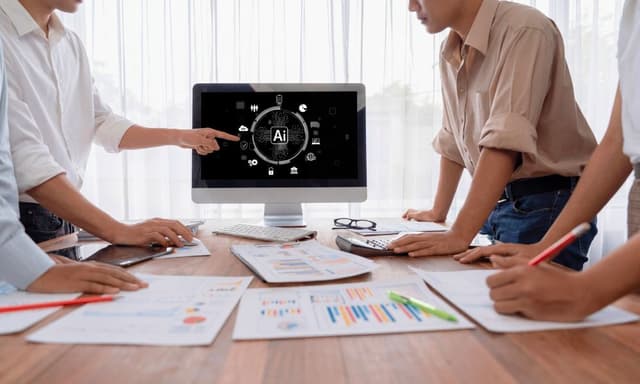
At the same time, employers continue recognising the importance of staff wellbeing. Many companies now offer mental health support programs, flexible leave policies and wellness initiatives designed to improve employee satisfaction and reduce burnout. Workplace culture has become an increasingly important factor for job seekers when considering long term career opportunities.
Flexible Work Continues Growing
Flexible work arrangements continue influencing lifestyle choices across different age groups. Some workers have relocated to regional areas or outer suburbs in search of more affordable housing and improved quality of life while maintaining remote employment opportunities.
Parents also benefit from more adaptable schedules that allow greater involvement in school activities, childcare responsibilities and household management. Younger workers, particularly those entering professional industries, increasingly value flexibility alongside salary and career growth opportunities.
However, flexible work also presents challenges for some employees. Maintaining boundaries between work and personal time can become difficult when working from home regularly. Experts often encourage workers to establish clear routines, dedicated workspaces and scheduled breaks to support mental wellbeing and productivity.
Wellness And Personal Time Become Priorities
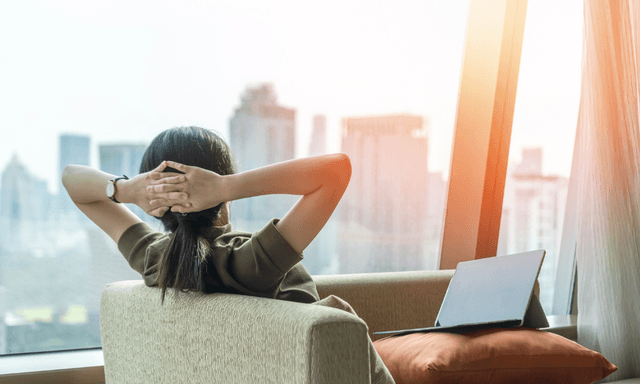
Health and wellness continue playing a larger role in everyday lifestyle decisions. Many people are prioritising exercise, sleep quality and healthier eating habits as part of maintaining long term wellbeing. Fitness studios, wellness apps and outdoor recreational activities remain popular among people seeking healthier routines outside of work hours.
Social connection has also become more important following years of increased remote communication and digital interaction. Cafes, fitness groups and community events continue attracting people looking to maintain social balance alongside professional commitments.
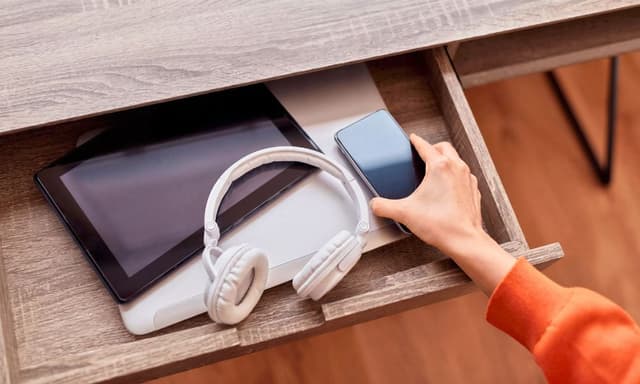
Technology still plays a major role in modern lifestyles, although many people are becoming more aware of screen time and digital fatigue. Some workers now limit notifications outside business hours or take regular breaks from social media to improve focus and reduce stress levels.
Lifestyle experts believe work life balance trends will continue evolving as businesses adapt to employee expectations and changing workplace habits. Flexibility, wellbeing and personal fulfilment are becoming stronger priorities for many workers when making career and lifestyle decisions.
As routines continue changing, more people are focusing on creating lifestyles that support both professional success and personal wellbeing rather than viewing the two as separate goals.