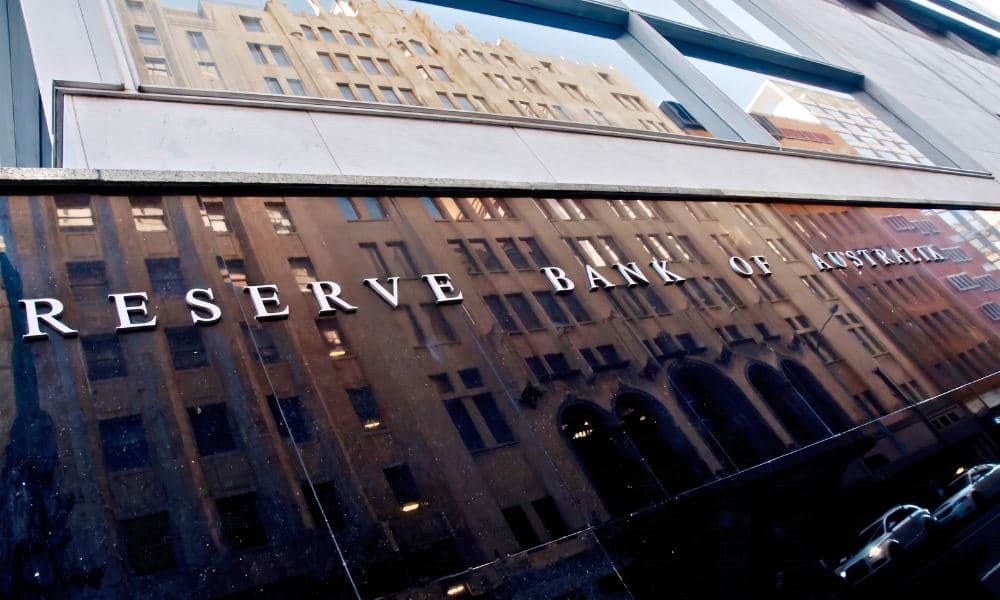
Australian interest rates continue to affect mortgages, savings and everyday household spending across the country. While the Reserve Bank of Australia adjusts rates to help manage inflation and economic growth, the impact is often felt most by everyday Australians trying to balance their finances.
How Higher Rates Affect Homeowners
Over the past few years, many homeowners have experienced significant increases in mortgage repayments. Banks passed multiple rate rises onto variable home loan customers, placing extra pressure on household budgets. Even small increases in the cash rate can push monthly repayments up by hundreds of dollars, especially for families managing rising living costs.
For Australians looking to buy property, higher interest rates have also changed borrowing capacity. Banks assess whether applicants can still afford repayments if rates rise further, so they now approve some buyers for smaller loans than they would have received a few years ago. This has contributed to shifts in the property market, particularly in major cities such as Sydney and Melbourne where housing prices have traditionally been higher.
Why Savers Are Paying More Attention
At the same time, savers have started to benefit from stronger savings account rates. Many banks have increased interest rates on high interest savings accounts and term deposits, giving Australians more incentive to save. Retirees and conservative investors who rely on interest income have welcomed this change after years of historically low returns.
Small businesses across Australia are also paying close attention to interest rate movements. Higher borrowing costs often force businesses to delay expansion plans, reduce staffing or cut back on inventory purchases. Industries that depend heavily on consumer spending, including hospitality and retail, often notice slower activity when households become more cautious with money.
Economists continue to watch inflation data closely. The Reserve Bank’s decisions are largely influenced by whether inflation remains above its target range. While some analysts expect rates to stabilise, others believe there may still be pressure depending on employment figures, consumer demand and global economic conditions.
Financial advisers often encourage Australians to review their budgets regularly during periods of higher interest rates. Comparing home loan products, reducing unnecessary expenses and building emergency savings can help households stay financially stable even when Australian interest rates remain unpredictable.
For younger Australians, particularly first home buyers, the current environment highlights the importance of long term financial planning. Many are choosing to save larger deposits, delay purchases or consider more affordable regional areas.
Interest rates may continue to fluctuate, but understanding how they affect borrowing, saving and spending remains essential for Australians trying to make informed financial decisions in a changing economy.