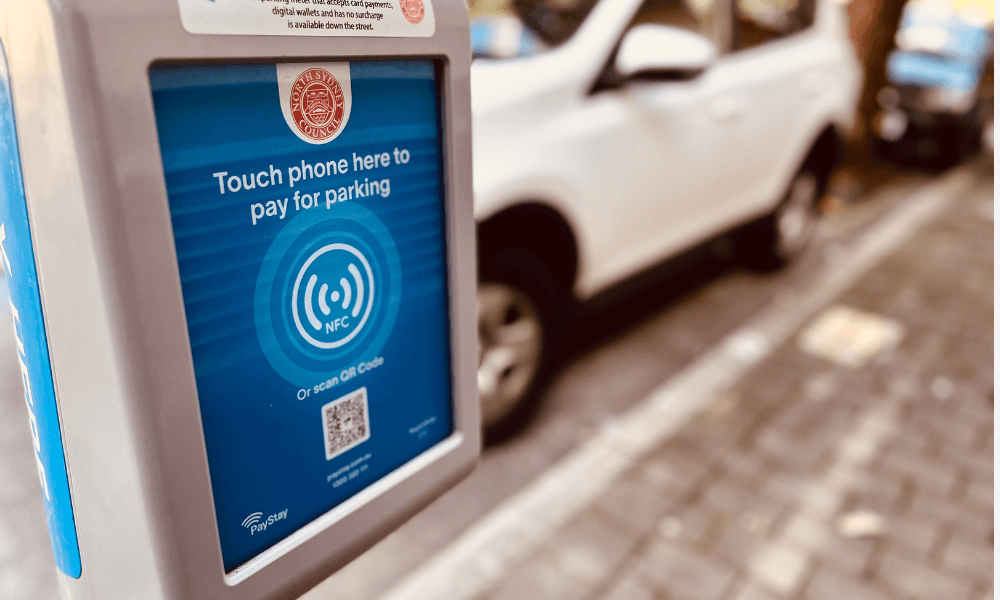
Digital payments in Australia continue to grow as businesses and consumers increasingly adopt cashless transaction methods. From contactless cards to mobile wallets and online payment platforms, digital payment technology is becoming a standard part of everyday financial activity.
In recent years, Australian consumers have shown a strong preference for contactless transactions, according to payment data published by the Reserve Bank of Australia. Tap and go payments are now widely used in supermarkets, cafes, retail stores, and public transport systems across the country. This convenience has encouraged many businesses to prioritise digital payment infrastructure.
Mobile payment platforms are also playing a major role in the expansion of digital payments in Australia. Services that allow users to store debit and credit cards on smartphones or smartwatches have made transactions faster and more convenient. As a result, many consumers now rely on their mobile devices rather than physical wallets when making purchases.
Online commerce has further accelerated this shift. As more retailers expand their digital presence, secure online payment systems have become essential for businesses operating in competitive markets. Customers expect fast, secure, and seamless payment experiences when shopping online.
Meanwhile, small businesses are increasingly adopting modern payment systems. Portable card readers and digital point of sale systems allow businesses to accept payments in a wide range of environments. This technology has helped many small operators expand their services and improve customer convenience.
Security remains a major priority in the digital payments ecosystem. Financial institutions and payment providers continue to invest heavily in fraud prevention technology, encryption systems, and customer verification processes to protect sensitive data.
Government regulators also monitor the payments sector closely to ensure consumer protection and financial stability. As new financial technologies emerge, policymakers are working to balance innovation with appropriate safeguards.
Overall, digital payments in Australia are expected to continue expanding as technology evolves and consumer habits shift further toward cashless transactions. Businesses that adapt to these changes are likely to benefit from greater efficiency and improved customer experiences.