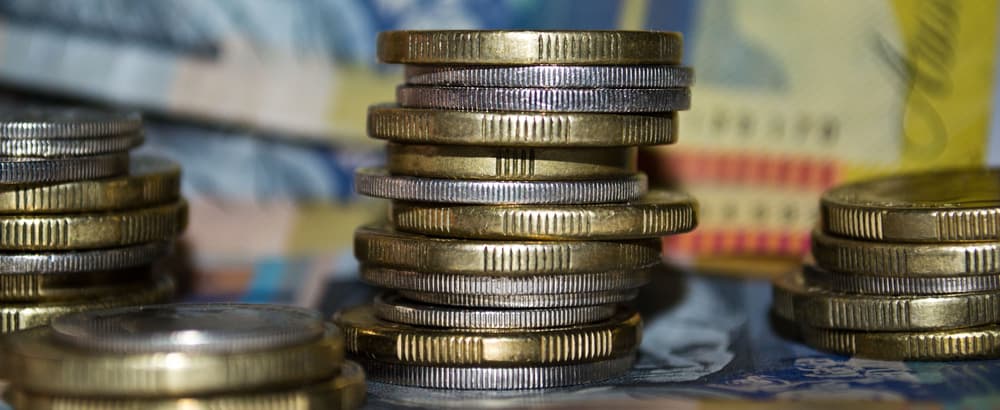
The Australian dollar has reached its highest point in two years in the wake of a weakened US dollar and an increase in commodity prices.
The Australian dollar is now worth over US 77 cents, reaching a high point of 77.07 US cents, which is an increase of 2%.
The surge comes in the wake of a decision by the US Federal Reserve to raise interest rates by 25 basis points to 1%. The increase comes off the back of good economic news coming in the US, including a drop in unemployment and an increase in consumer confidence. This is the second time in three months US interest rates have been risen.
Commodity prices also played a role in the surge, with iron ore showing one of the biggest increases. The iron ore price increased by 85% in late 2016 and has already risen by 16% in 2017.
However, this increase is not all good news. According to the ABC’s finance correspondent, Philip Lasker, the US interest rate increase will likely cause Australian interest rates to rise as well.
“Australian banks get around 40% of their funding from overseas” said Lasker. “So they will have more than enough excuses to hit borrowers with another round of rate increases”.
He went on to say: “Australian borrowers won’t escape unscathed. They should be prepared for the fallout of higher interest rates here too”.
The Reserve Bank didn’t increase interest rates this month, leaving interest rates at 1.5% despite concerns from economists.
However, this raise in US interest rates will allow the Reserve Bank to increase rates without increasing the Australian dollar further. The Reserve Bank is set to meet to decide on rates on April 4th.