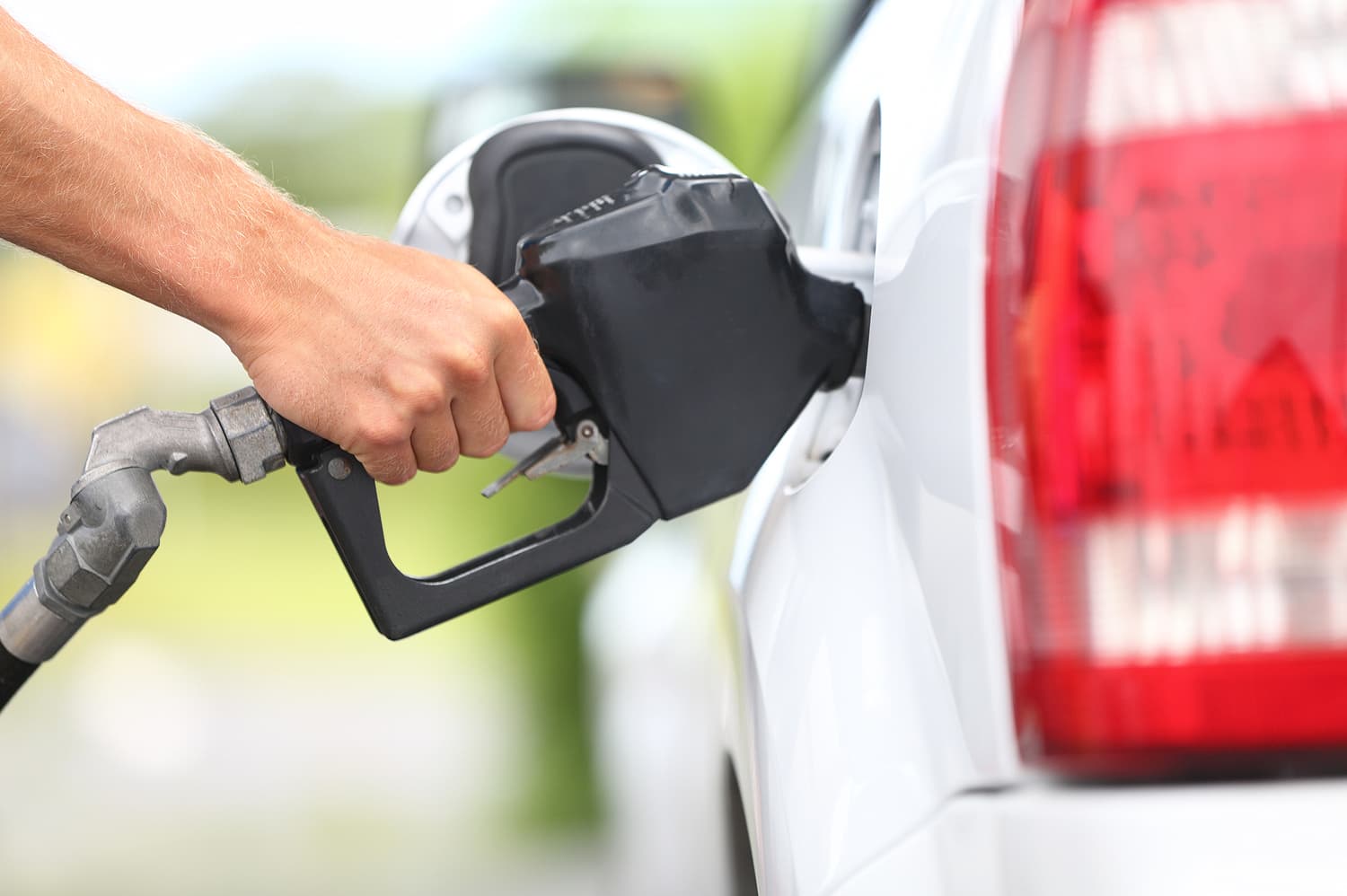
Petrol prices are soaring throughout Australia, with reported rises of as much as 20 cents a litre in some areas. It is expected that $1.40 per litre for unleaded petrol will be the benchmark for this month.
Figures from the Australian Institute for Petroleum show that the national average price rose 2.2 cents this past week, reaching a high of $128.3. However, this national average conceals massive variations in fuel prices across Australia. The Sydney Morning Herald reported last week that the NSW state average for petrol was already a sizeable $1.30 a litre. Contrastingly, petrol stations around Melbourne have mostly held steady at $1.22, which is a minor increase on the wholesale price. Yet Sydney and Adelaide residents pay over $1.40 for their petrol, and prices in Tasmania have surged by the full 20 cents to hit a peak of $1.46 in Hobart.
The price surge is mostly attributed to the agreement made by the Organisation of Petroleum Exporting Countries last month to cut oil production. The agreement, which is the first agreement of its kind in 15 years, is projected to cut oil production by between 60% and 70% of the original reduction pledge of 1.2 million barrels a day.
The surge in oil prices has caused a decline in Wall Street stocks that has had a knock-on effect on the value of the Australian dollar. There is also concern that the rise in petrol prices, the single biggest weekly expenditure for households, will lead to a decline in household activity. This is compounded by research from the Australian Competition and Consumer Commission, who found that demand for petrol surges in late January, when petrol prices are likely to be even higher.