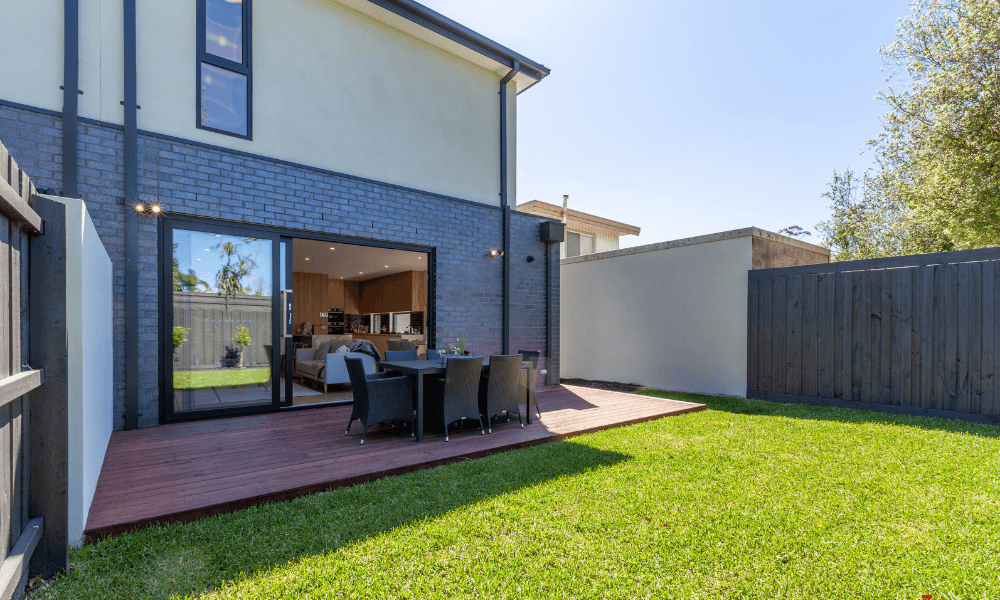
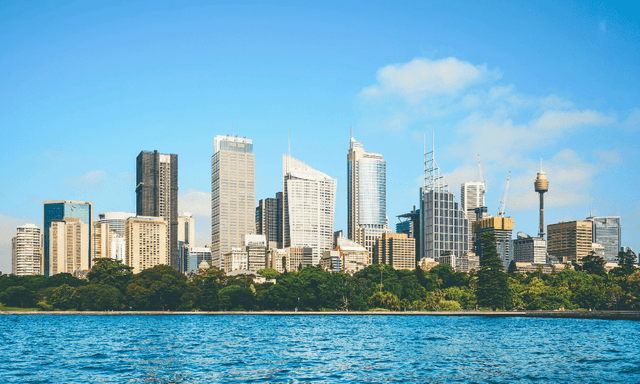
The luxury real estate market in Australia is seeing increasing demand in 2025, with high end properties attracting both local and international buyers. A mix of lifestyle changes, stable economic conditions, and continued interest in premium coastal and metropolitan suburbs is driving growth across the sector. High value transactions are becoming more common, particularly in areas offering space, privacy, and strong capital gain potential.
Buyer Trends in the Luxury Real Estate Market
Demand for premium properties has risen steadily over the past year. According to recent figures from CoreLogic, sales activity in the top end of the market continues to outperform the broader housing sector.
Buyers seeking luxury properties are showing clear preferences for:
- Larger homes with flexible floorplans
- Private outdoor areas, pools, and landscaped gardens
- High quality finishes and energy efficient technology
- Premium locations close to beaches, cafes, and transport
These shifts suggest that Australians are prioritising lifestyle upgrades and long term investment stability.
Popular Locations Driving High End Sales
Several regions across Australia are capturing strong luxury buyer interest.
Sydney’s Eastern Suburbs
Areas such as Vaucluse, Bellevue Hill, and Double Bay continue to lead the market. These neighbourhoods are well known for harbour views, large blocks, and strong capital growth.
Melbourne’s Inner South
Suburbs like Toorak and South Yarra remain top choices for prestige buyers looking for historic homes and contemporary luxury developments.
Coastal Lifestyle Regions
The Gold Coast, Byron Bay, and Mornington Peninsula remain favourites among buyers seeking space, privacy, and holiday style living. These areas have also attracted interstate migration since 2020.
Growth in Brisbane and Perth
Both cities are seeing higher interest from investors and lifestyle buyers due to relative affordability when compared with Sydney and Melbourne.
Key Factors Influencing Luxury Real Estate Demand
Several economic and social factors are contributing to the growth of the luxury real estate sector.
Interest Rates and Lending Conditions
Although the Reserve Bank of Australia has adjusted cash rates, many lenders continue to offer competitive loan products for high income borrowers. This has supported ongoing purchasing activity in the prestige bracket.
International Investor Activity
Foreign interest remains steady, particularly from buyers across Asia. Although Australia’s foreign investment rules shape activity levels, premium homes continue to attract global interest due to their stability and long term returns.
Shift Toward Lifestyle Focus
The move to remote and hybrid working arrangements has influenced preferences for spacious homes with upgraded amenities. Buyers are prioritising wellness features, natural surroundings, and flexible living areas.
Limited Supply of Premium Homes
High demand combined with short supply has led to strong price performance in several areas. Prestige homes with privacy, waterfront views, or large land sizes remain especially competitive.
Who Is Purchasing Luxury Property in 2025
Luxury buyers in Australia typically include:
- High income professionals in technology, finance, property, and healthcare
- Families upgrading to larger homes
- Investors seeking secure long term capital growth
- International buyers wanting premium lifestyle locations
Data from the Australian Bureau of Statistics shows increased wealth accumulation across several professional sectors, contributing to ongoing demand for prestige housing.
Investment Opportunities Emerging in the Luxury Market
Opportunities remain strong for investors looking to enter the premium segment.
Renovation and Modernisation
Older homes in established suburbs offer potential for value uplift through renovations that introduce energy efficient systems and modern design features.
Coastal and Waterfront Purchases
Properties near water continue to command strong buyer interest and stable rental demand, particularly in holiday driven regions.
Sustainable Luxury Homes
Demand is rising for homes with solar power, smart technology, energy efficient cooling, and environmentally conscious materials. This segment presents strong potential for future growth as more buyers prioritise sustainable living.
Challenges to Watch in the Luxury Property Sector
Although demand is strong, several risks should be considered.
- Higher construction and renovation costs may impact project timelines and budgets.
- Future economic shifts, including inflation or rate changes, may influence buyer confidence.
- Regulatory conditions around foreign investment continue to shape market accessibility.
- Supply remains tight in many premium suburbs, which may limit choice for buyers.
Understanding these challenges helps investors and buyers plan more strategically.
What the Future Looks Like for Luxury Real Estate
Looking ahead, the prestige property market is expected to stay resilient. Developers are focusing on:
- Smart home technology
- Eco friendly building methods
- Homes designed for hybrid working
- Larger outdoor spaces and entertainment areas
With a strong mix of lifestyle demand, limited supply, and ongoing interest from overseas buyers, the luxury sector is well positioned for continued growth through 2025.