Work Life Balance in Australia Continues to Evolve
Work life balance in Australia has become an increasingly important topic as employees and employers rethink traditional work structures. Flexible work arrangements, remote work, and changing[...]

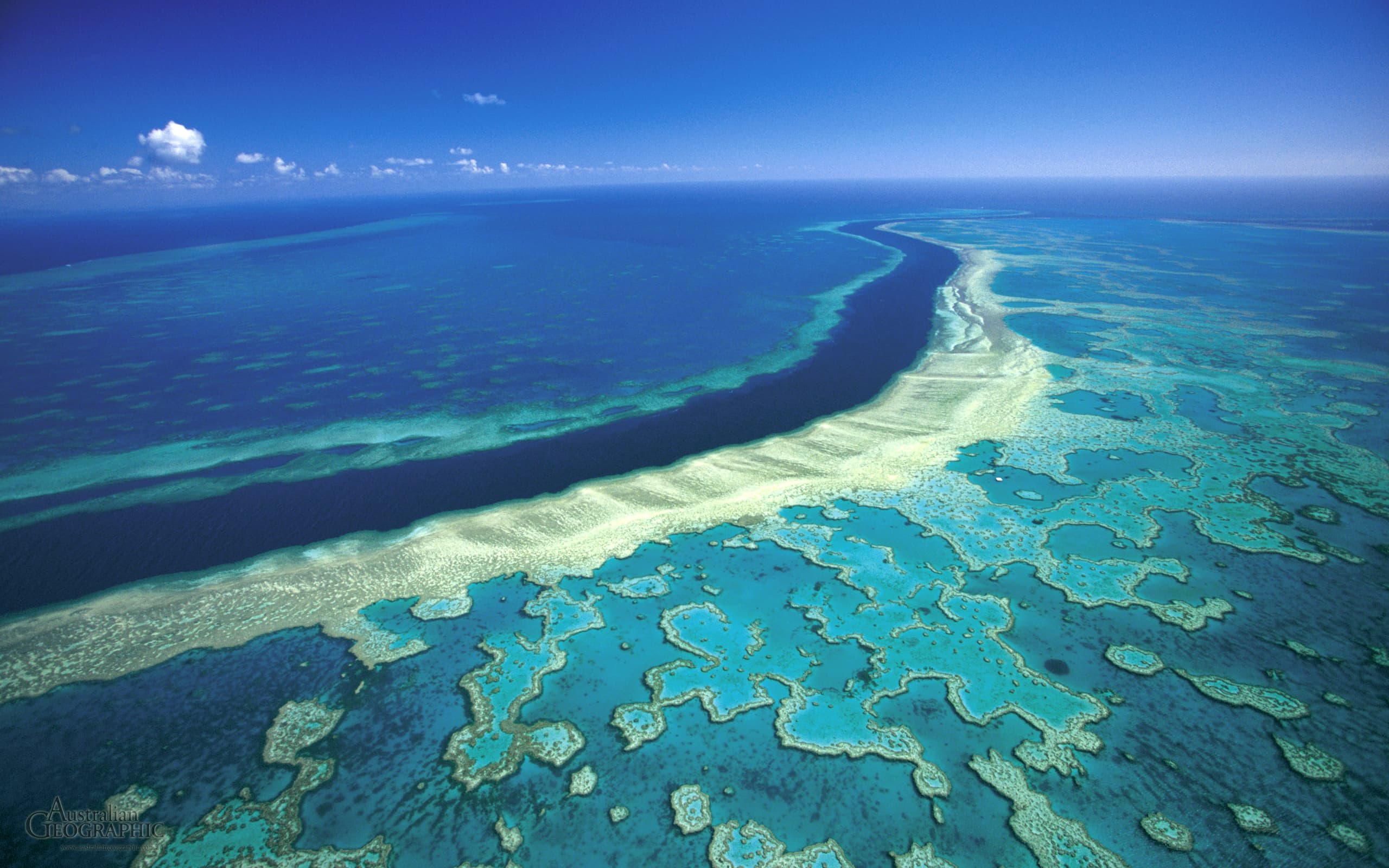
Australia’s iconic tourist attraction The Great Barrier reef could be history if temperatures continue to rise. Prominent Marine Scientist and Professor, Ove Hoegh-Guldberg, believes with 99 percent certainty that anthropogenic climate change is driving this.
Mass coral bleaching is having a detrimental impact on coral, combined with fossil fuels. Over 1000 kilometres of reef have been affected. Increased coral bleaching means that reefs don’t have time to recover from the major disturbances. Photos taken in Cooktown and the Torres Strait have become ghostly white reefs, literally skeletons of their old vibrant self.
There are over 600 coral species on the great barrier reef, an ecosystem over 8000 years old. There could be a great sadness from Aussies and international tourists wanting to explore the breathtaking sea life.

In the last 27 years, cyclones, crown of thorns and bleaching have resulted in a 50 percent loss of coral cover. The last major global bleaching event was in 1998 that saw 90 coral die and only 12 able to be restored.

Since 1910, the average sea surface temperature has risen by 1 percent. It might not seem like much but even the slightest rise creates heat stress and pushes coral beyond its capability. Polyps have a symbiotic relationship with algae that help give the coral animals energy. More stress equals a loss of algae changing their tissue to a translucent colour. They can starve, contract disease and even die. Comparatively, if water temperatures drop, coral can rebuild their algae.

Dr Selina Ward, coral reef ecologist at the University of Queensland believes the reef can recover again, provided society is behind repairing it. The Federal and Queensland governments are addressing water pollution through tackling pesticide runoffs from farms and damaging crown of thorns infestations.
Ultimately, society needs to shift away from fossil fuels so our future generations can inherit the travel brochure pictures.
Work life balance in Australia has become an increasingly important topic as employees and employers rethink traditional work structures. Flexible work arrangements, remote work, and changing[...]

Cybersecurity for Australian businesses has become a major priority as digital threats continue to increase. With more organisations relying on cloud systems, online payments, and remote work[...]

The Australian economic outlook for 2026 reflects a complex mix of opportunities and challenges. Economic growth remains steady compared with many global economies, though inflation, global[...]
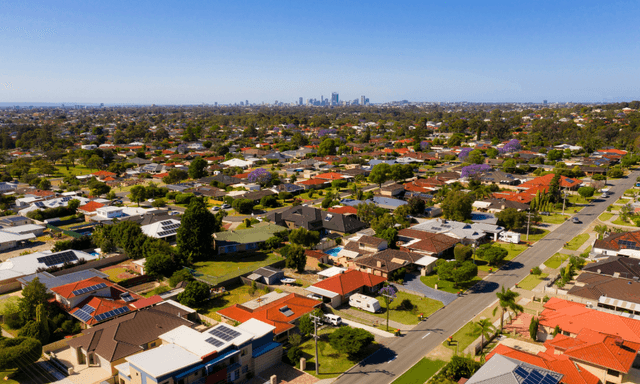
Australian property market trends in 2026 continue to attract strong attention from buyers, investors, and policymakers. Housing affordability, population growth, and interest rate movements are[...]