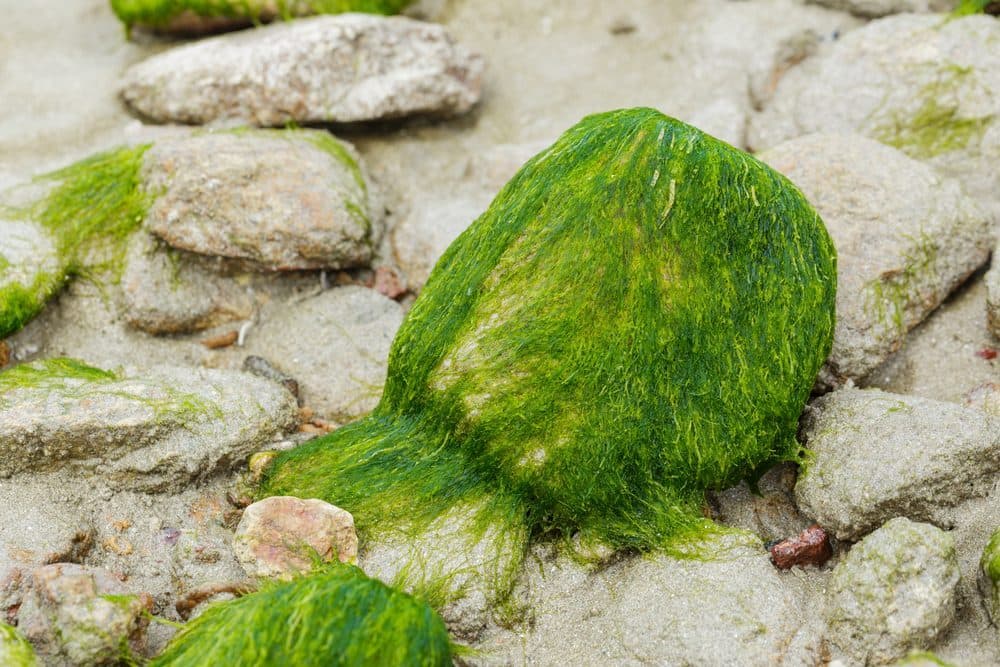
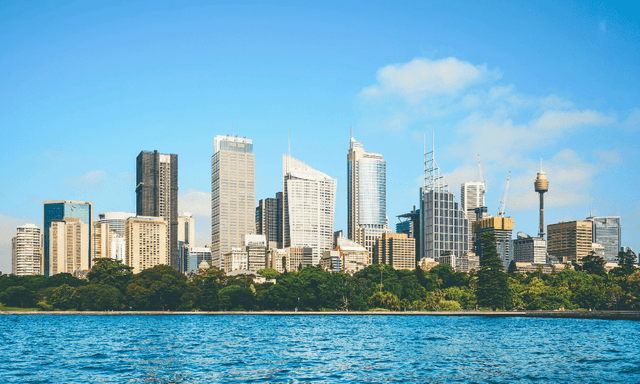
There’s a new solution to climate change bubbling around Sydney, and it’s bright green. Associate Professor, Sara Wilkinson, of the UTS School of the Built Environment and Professor Peter Ralph, from the UTS Centre for Industrialised Algae, believe that algae is the solution to many of the issues created by climate change.
Together with the architectural firm, Atelier Ten and Research Engagement Manager, Dr Brenton Hamdorf Wilkinson and Ralph, have begun to create prototype panels for buildings that will contain correcting algae within heat resistant glass frames. The algae would absorb the carbon dioxide from the air and sunlight to formulate oxygen. It would decarbonise the air as well as heating buildings.
There has been empirical evidence of the success of living algae bioreactors overseas but the panels illustrate a landmark exploration of the concept in Australia. Wilkinson has conducted a study into the feasibility of algae in sustainable building technology which met a passionate response.
The study, which was funded by an environmental research grant from the City of Sydney, raised concerns like whether the algae would be able to survive Australian summer. Such concerns have since been addressed and solutions (in this case, the use of heat-resistant glass) have been incorporated in the development of the prototype.
Ralph believes that the project is a excellent method for demonstrating the versatility of algae. There are limitless possibilities for the uses of algae, claims Professor Ralph, of which food, pharmaceuticals and materials are only a few. It’s certainly an attractive solution, both aesthetically and figuratively.